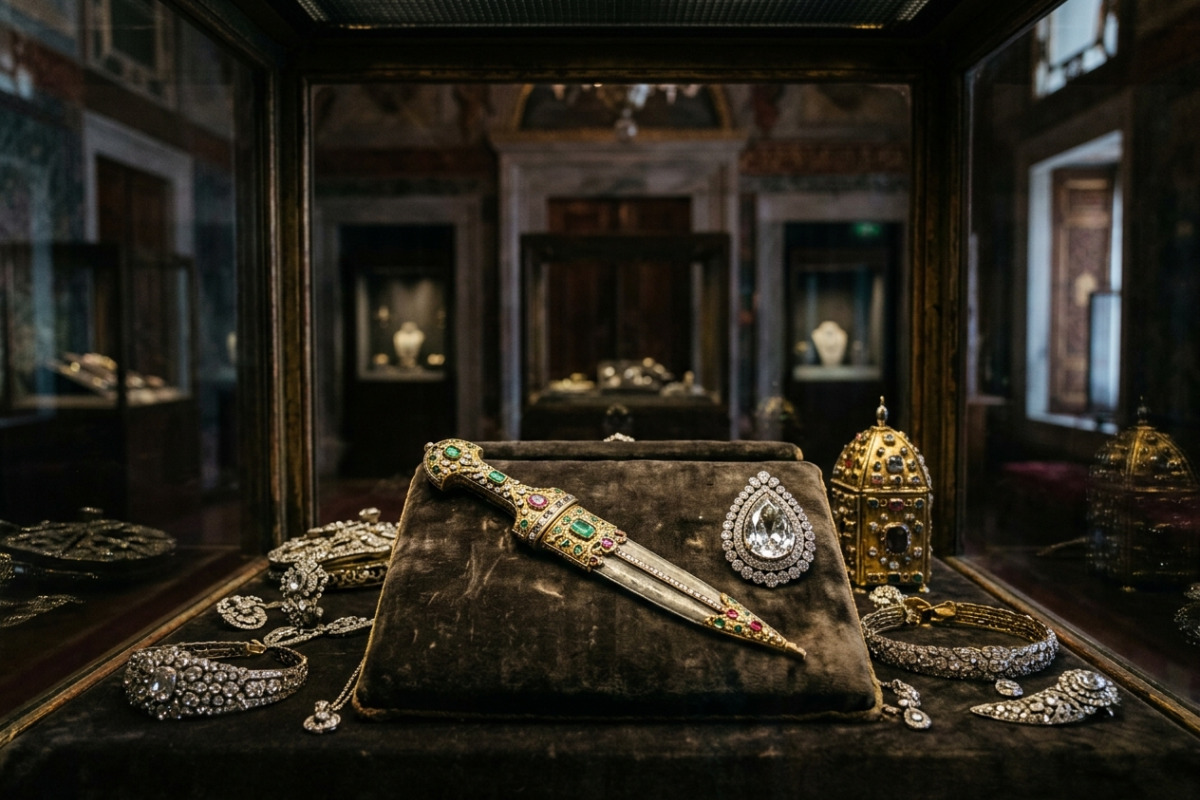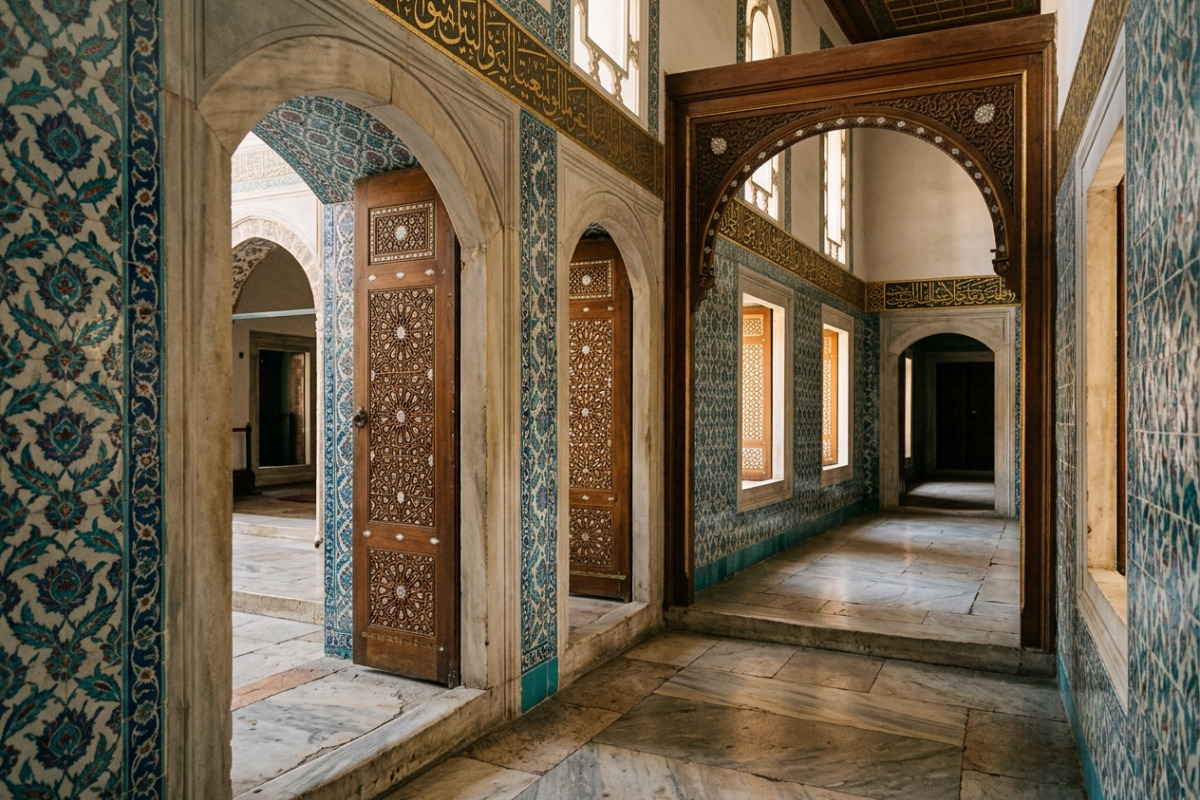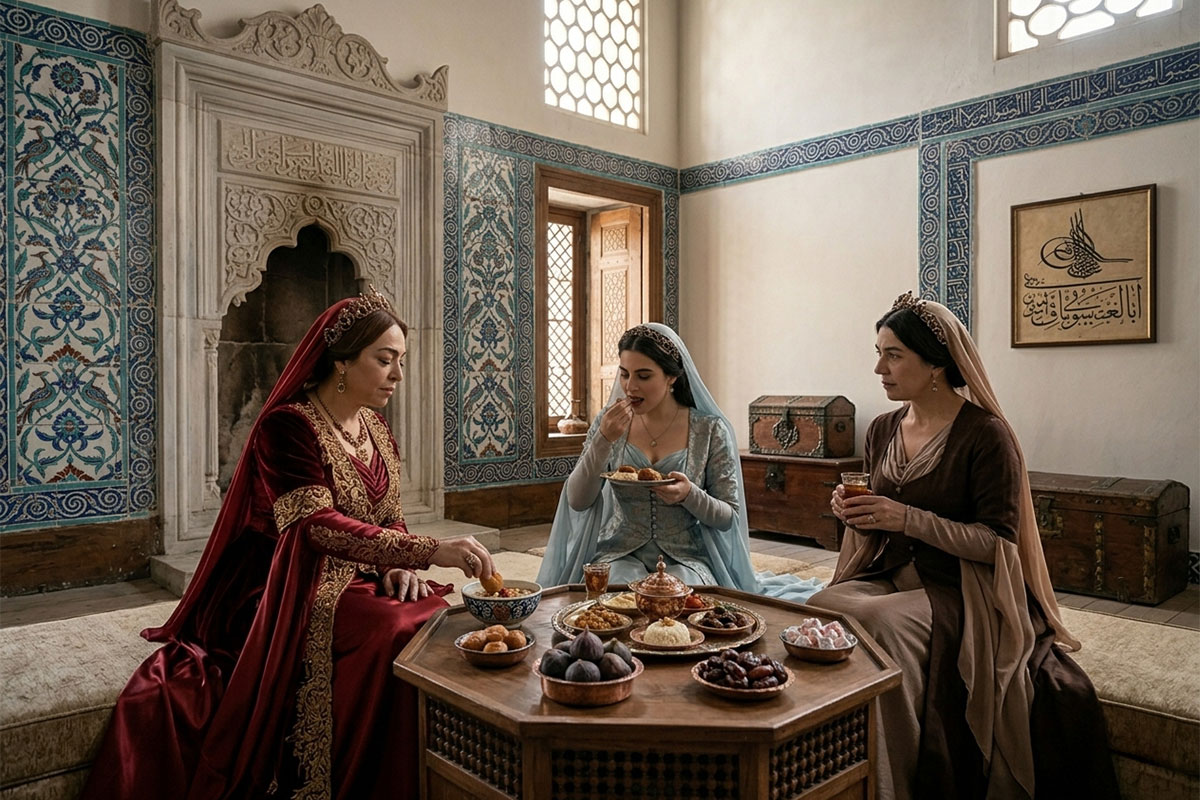
When we imagine the grandeur of the Ottoman Empire, our minds often wander to the architectural marvels of Istanbul or the intricate politics of the court. However, there is a sensory layer to this history that is often overlooked yet incredibly defining: the scent of saffron wafting through stone corridors, the sizzle of lamb in copper pans, and the delicate sweetness of rosewater. The culinary world of the Ottoman Harem was not merely about sustenance; it was a sophisticated art form, a symbol of power, and a guarded treasure of the Topkapi Palace. As we explore these gastronomic traditions in January 2026, the legacy of these imperial tastes continues to captivate food lovers and historians alike, offering a delicious window into the lives of the Sultans and their royal households.
The Heart of the Palace: Inside the Matbah-ı Amire
The imperial kitchens, known as the Matbah-ı Amire, were an industrial-scale operation that functioned like a city within a city. Located in the second courtyard of the Topkapi Palace, these kitchens were responsible for feeding thousands of people daily, ranging from the humblest servants to the Grand Vizier. However, the food prepared for the Harem and the Sultan was a class apart, crafted with a level of precision and secrecy that borders on obsession. The sheer volume of ingredients passing through these gates was staggering, with records showing massive procurements of sheep, honey, and rice, yet the preparation methods for the inner circle remained exclusive.
Within this massive culinary complex, a strict hierarchy existed among the chefs, each specializing in a specific type of dish, such as soups, pilafs, or sweets. The most elite among them worked in the Kuşhane, the private kitchen dedicated solely to the Sultan and the highest-ranking members of the Harem. Here, food was not just cooked; it was engineered for perfection. The chefs were constantly innovating, blending ingredients from across the vast empire—spices from Egypt, cattle from the Balkans, and fruits from Anatolia—to create dishes that would please the most demanding palates in the world.
A Symphony of Flavors: Ingredients and Techniques
The culinary philosophy of the Ottoman Harem was built on the balance of contrasting flavors, often mixing savory with sweet and sour. Unlike the heavy use of spices in some Eastern cuisines or the sauce-heavy traditions of Europe, Ottoman palace cuisine focused on accentuating the natural flavors of high-quality ingredients. Slow cooking was a preferred technique, allowing meats to become tender enough to be eaten with a spoon, as cutlery was not traditionally used in the same way we use it today. Fruit was a staple in savory stews, with quince, plums, apricots, and pomegranate molasses providing a tart richness that cut through the fat of lamb and mutton.
To understand the distinction between common palace food and the refined diet of the Harem, it is helpful to look at the ingredients. The Harem's pantry was stocked with luxury items that were rare or expensive for the general public. While the janissaries might eat bulgur and plain meat, the Valide Sultan and the favorites dined on delicacies enriched with musk, ambergris, and rare floral essences.
Comparison of Palace Diets
| Category | General Palace Staff | The Harem & Royalty |
| Grains | Bulgur, standard bread | Fine white rice, enriched breads |
| Meat | Mutton, beef (stews) | Lamb, poultry, game birds (partridge, pheasant) |
| Flavoring | Salt, onions, basic herbs | Saffron, musk, rosewater, mastic, cinnamon |
| Sweets | Molasses, simple honey | Refined sugar, complex helva, fruit preserves |
Exquisite Dishes of the Inner Sanctum
The dishes created for the Harem were poetic in both name and taste, reflecting the refinement of the environment. One cannot speak of Ottoman royalty without mentioning the eggplant, the undisputed king of vegetables in their kitchen. It was prepared in hundreds of ways, but none more famous than Hünkar Beğendi (The Sultan Liked It), a creamy puree of smoked eggplant and cheese topped with tender lamb stew. This dish exemplifies the Harem's culinary style: laborious preparation resulting in a texture that is silky and sophisticated.
Another staple of the royal tray was the intricate stuffed vegetables and leaves, known as Dolma and Sarma. In the Harem, these were not merely stuffed with rice; the fillings were complex mixtures of pine nuts, currants, cinnamon, and allspice, sometimes including minced meat. For a lighter touch, olive oil dishes served cold were essential, particularly during the hot Istanbul summers. These dishes were designed to be aesthetically pleasing as well as delicious, often garnished with fresh herbs and pomegranate seeds to look like jewels on a plate.
- Vișneli Yalancı Dolma: Vine leaves stuffed with sour cherries, rice, and spices, offering a perfect sweet-sour balance.
- Mutancana: A rich lamb stew cooked with dried apricots, figs, plums, and almonds, showcasing the Persian influence on Ottoman gastronomy.
- Mahmudiye: A chicken dish flavored with honey, apricots, and almonds, named after Sultan Mahmud, known for its delicate sweetness.
- Kirde Kebab: Layers of flatbread and meat, a precursor to modern kebabs but served with a level of refinement suitable for the Sultan.
The Sweet Life: Sherbets and Confections
Sugar was a luxury, and the Ottomans were masters of confectionery, making the Harem a place of sweet indulgence. The concept of dessert was not limited to the end of a meal; sweet treats were a continuous part of social life. Lokum (Turkish Delight) and Akide sugars were invented and perfected within these walls. The confectioners' guild was highly respected, creating sculptures out of sugar for festivals and celebrations. Helva, made from flour or semolina, was roasted with butter and pine nuts, serving as a comfort food that marked both joyous occasions and moments of mourning.
Beverages played an equally vital role, with water and alcohol being secondary to the magnificent array of Sherbets (Şerbet). These were not the frozen sorbets of the West, but refreshing fruit syrups diluted with water and cooled with snow brought from the mountains of Uludağ. In the Harem, drinking sherbet was a ritual. Scents of violet, rose, tamarind, and poppy were extracted into liquids that refreshed the body and perfumed the breath. The presentation was key; sherbets were served in crystal glasses or porcelain cups, often accompanied by the soothing sound of fountains in the private courtyards.
Food as a Social Ritual and Hierarchy
In the Harem, food was a language of power, favor, and diplomacy. The dining rituals were strictly observed. The Sultan usually ate alone, a tradition established by Mehmed the Conqueror, although there were exceptions for favored family members. The food was brought on a large tray called a sini, placed on a low stool. A Çeşnigirbaşı (chief taster) would taste every dish before the Sultan to ensure it was not poisoned, adding a layer of tension to the gastronomic pleasure. Silence was golden during meals, allowing the focus to remain entirely on the flavors and the act of nourishment.
Coffee culture, which took root in the 16th century, became a central part of Harem socialization. The preparation and serving of Turkish coffee were ceremonial, involving specific utensils and a high degree of etiquette. It was over small cups of thick, dark coffee that alliances were formed, gossip was exchanged, and the hierarchy of the Harem was navigated. Offering coffee and sweets was a gesture of hospitality, but the quality of the service could also indicate one's standing in the eyes of the Valide Sultan or the consort.
The Legacy on Modern Tables
Today, as we walk through the streets of modern Istanbul or visit the museum kitchens of Topkapi, the ghosts of these aromas still linger. The Harem's culinary delights have transcended the palace walls to become the bedrock of Turkish cuisine. While the days of the Sultan are long gone, the dedication to fresh ingredients, the love for the eggplant, and the ceremonial joy of sharing coffee remain. Exploring these tastes offers a traveler a profound connection to the past, proving that history is not just read in books, but tasted on the tongue.