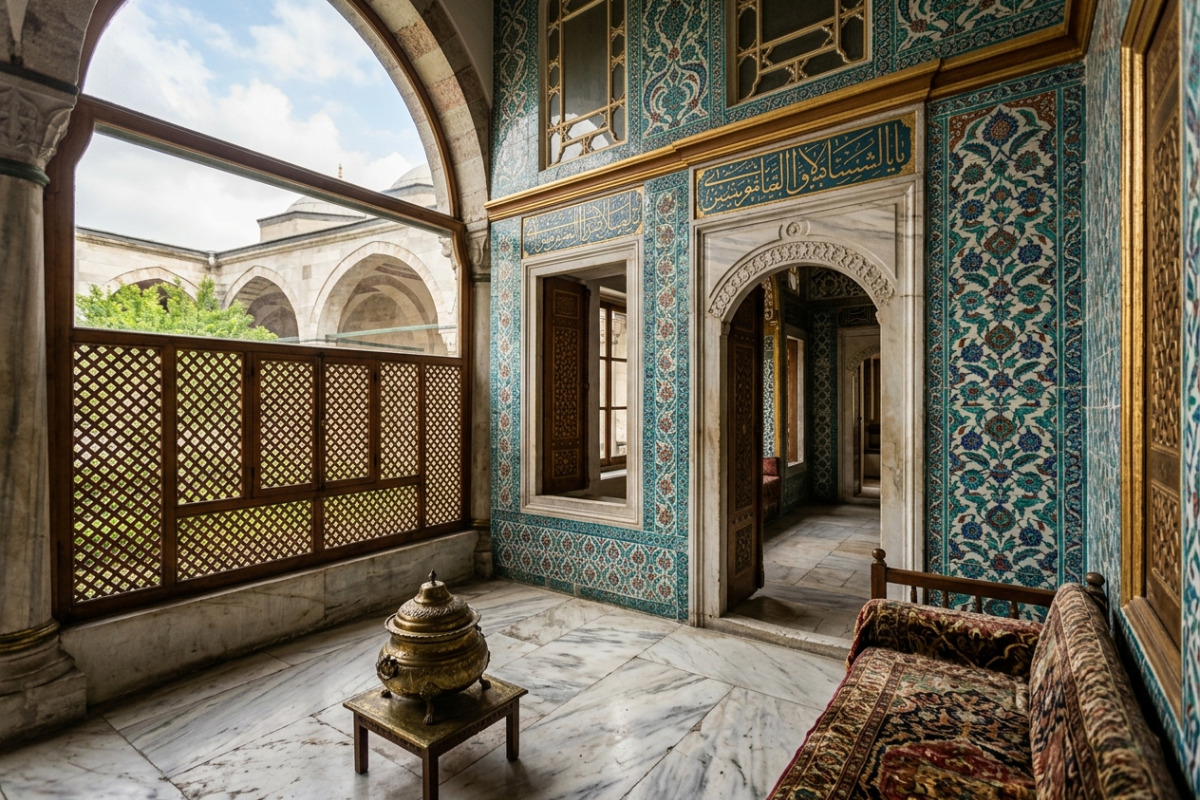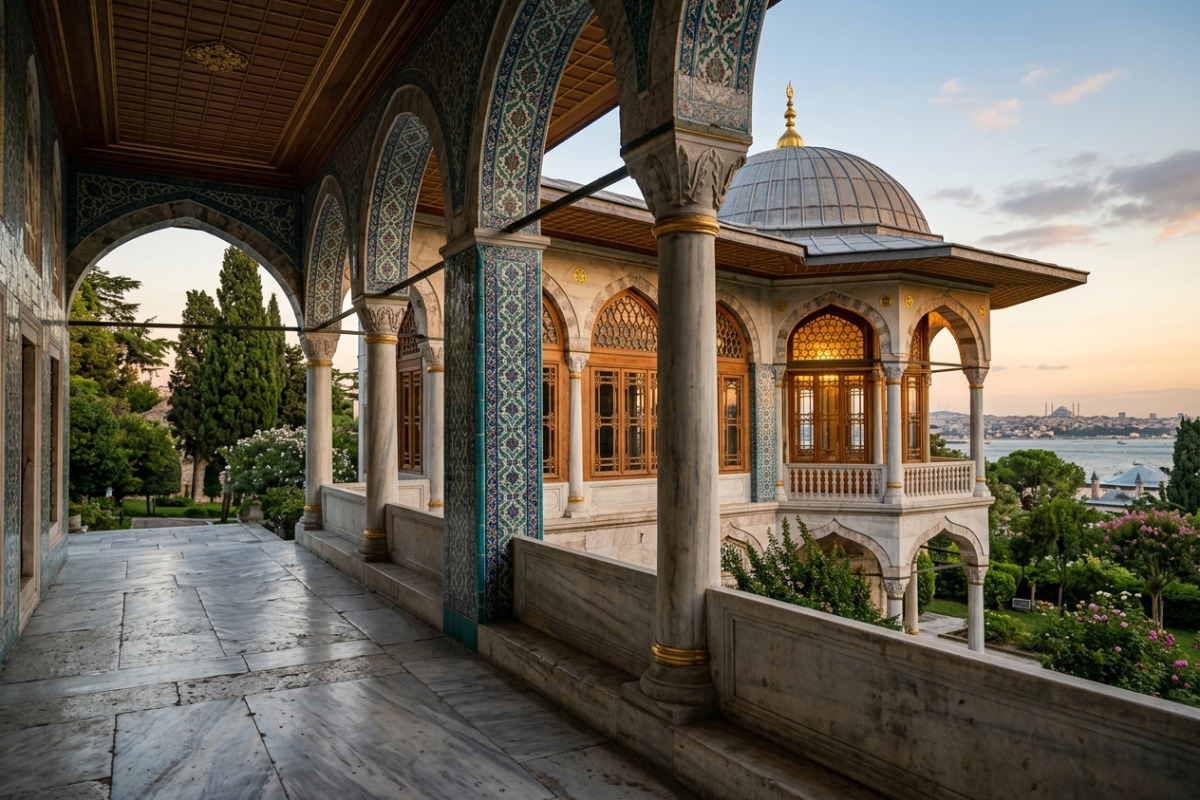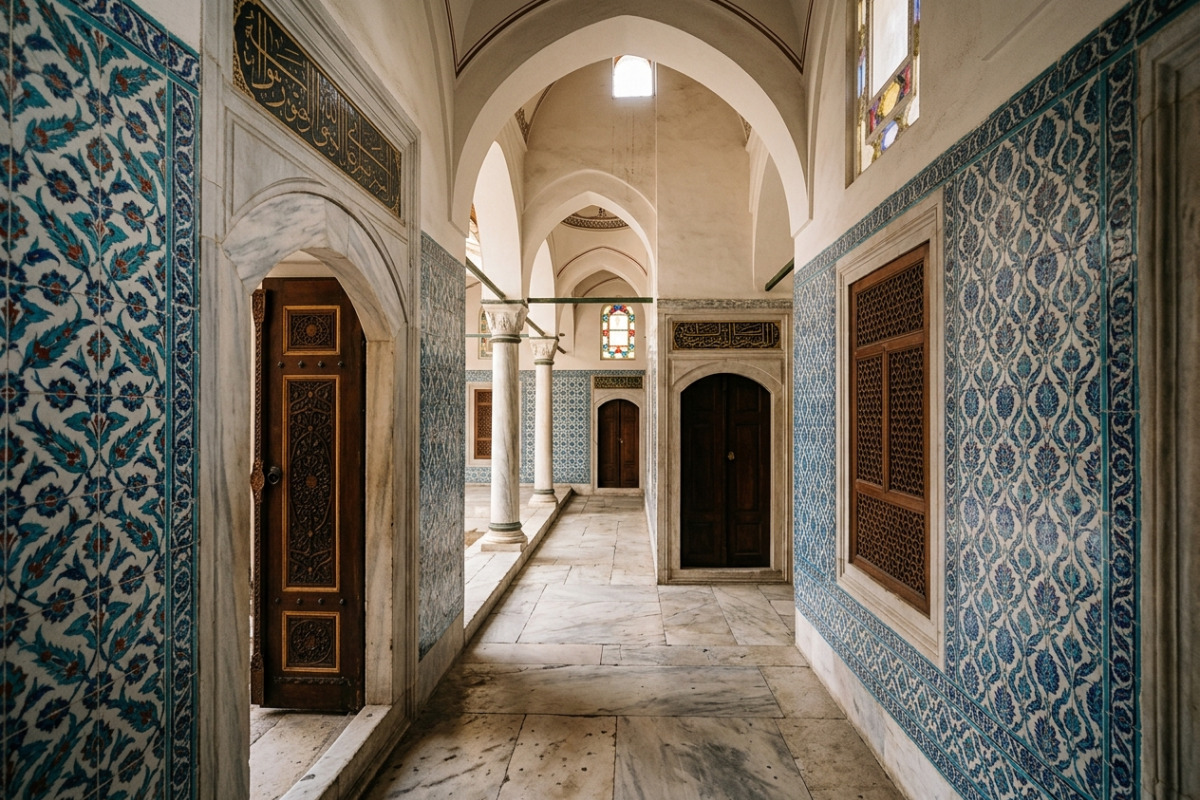
The Harem, often shrouded in mystery and romanticized in popular culture, serves as a crucial component of the Ottoman Empire's social structure. This section of the Topkapi Museum invites you to peel back the layers of history to understand the Harem's true essence. Beyond its often misunderstood reputation, the Harem was a vibrant hub of cultural, political, and artistic exchange, profoundly influencing the empire's legacy.
The Harem as a Cultural Conduit
Within the walls of the Harem, women played pivotal roles not just as the Sultan's consorts but as influential figures in the cultural tapestry of the Ottoman Empire. They were patrons of the arts, commissioning works from talented artists and contributing to the rich visual culture of the time. The Harem's environment fostered creativity, where music, poetry, and art flourished, reflecting the diverse influences that characterized Ottoman society.
Moreover, the Harem was not merely a residential space; it was a dynamic center for social interaction and cultural exchange. Women of various backgrounds, including those from different regions of the empire and beyond, lived together, sharing their customs and traditions. This multicultural atmosphere significantly impacted the evolution of Ottoman art and culture, leading to a synthesis of styles that is evident in the museum's vast collections.
Political Intrigue and the Harem
The Harem's influence extended far beyond the artistic realm, delving into the political landscape of the empire. Women in the Harem often wielded considerable power, influencing decisions and shaping the course of history. The training and education provided within the Harem prepared these women to navigate the complexities of court life, allowing them to act as advisors and intermediaries in political matters.
Historical accounts reveal fascinating stories of women who rose to prominence, such as Hürrem Sultan, who not only captured the heart of Suleiman the Magnificent but also played an active role in state affairs. Her legacy, among others, illustrates how the Harem was a site of both personal and political power, challenging the conventional perceptions of women's roles in the Ottoman Empire.
Daily Life and the Harem's Influence
Understanding the daily life within the Harem provides insight into its cultural significance. Activities ranged from education and artistic pursuits to the management of household affairs. Women were taught skills that enabled them to contribute to the palace's economic stability and cultural richness. This practical knowledge underscored the Harem's role in sustaining the empire's intricate social fabric.
The Harem also served as a place for social gatherings and celebrations, where music and dance were integral. These events not only provided entertainment but also reinforced social bonds among the women, creating a supportive community that thrived within the palace walls. Such interactions were crucial in maintaining the harmony and stability of the Ottoman court.
Visiting the Harem Section of Topkapi Museum
When you visit the Topkapi Museum, the Harem section offers a unique glimpse into this fascinating world. As you explore the intricately designed rooms and artifacts, consider the stories they tell—of women who shaped an empire and a culture. To enhance your experience, ensure you check out the tickets page to plan your visit.
For those interested in visual representations of this vibrant culture, the museum's gallery showcases a variety of artistic expressions from the period, further enriching your understanding of the Harem's impact on Ottoman society.
Conclusion
The Harem's cultural significance within the Ottoman Empire is a testament to the complex roles women played in shaping its history. By exploring the Harem, you gain insight into a world where art, politics, and daily life intermingled, creating a rich legacy that continues to influence our understanding of this remarkable period. Don't miss the chance to delve deeper into this captivating aspect of Ottoman history during your visit to the Topkapi Museum. For more information on planning your trip, visit the visitor information page.