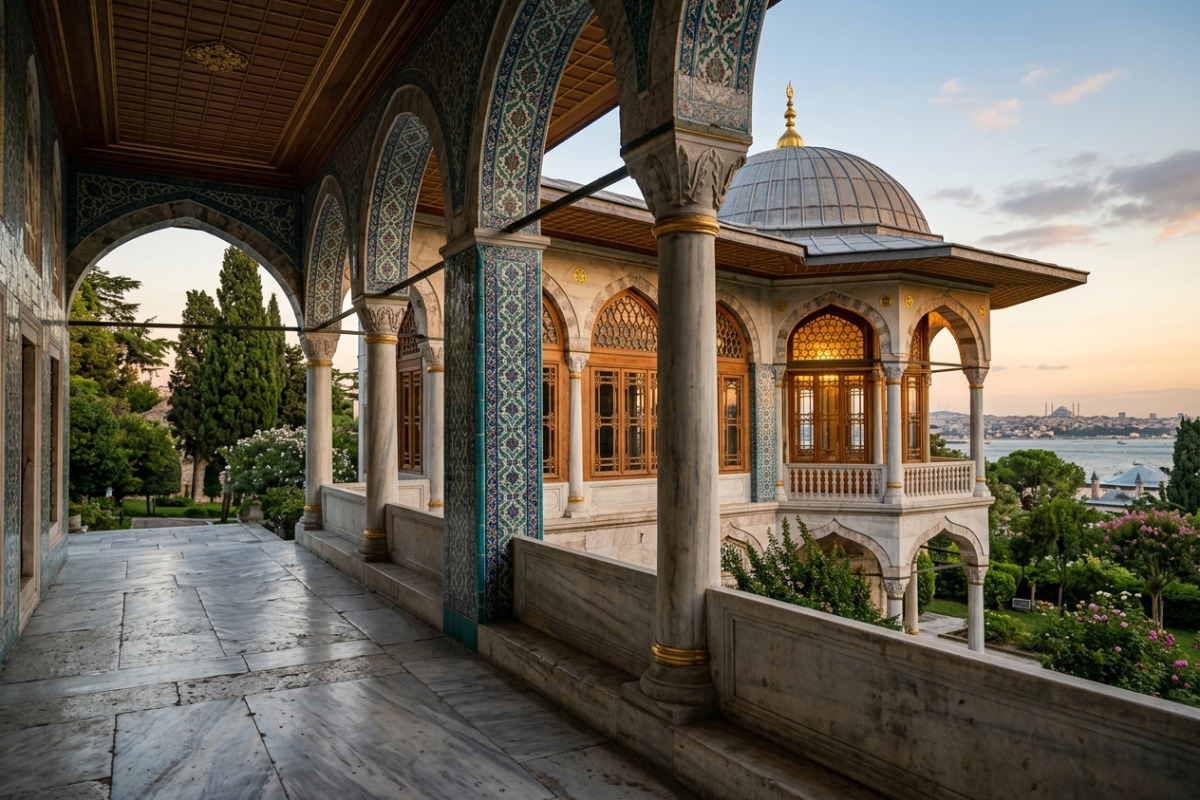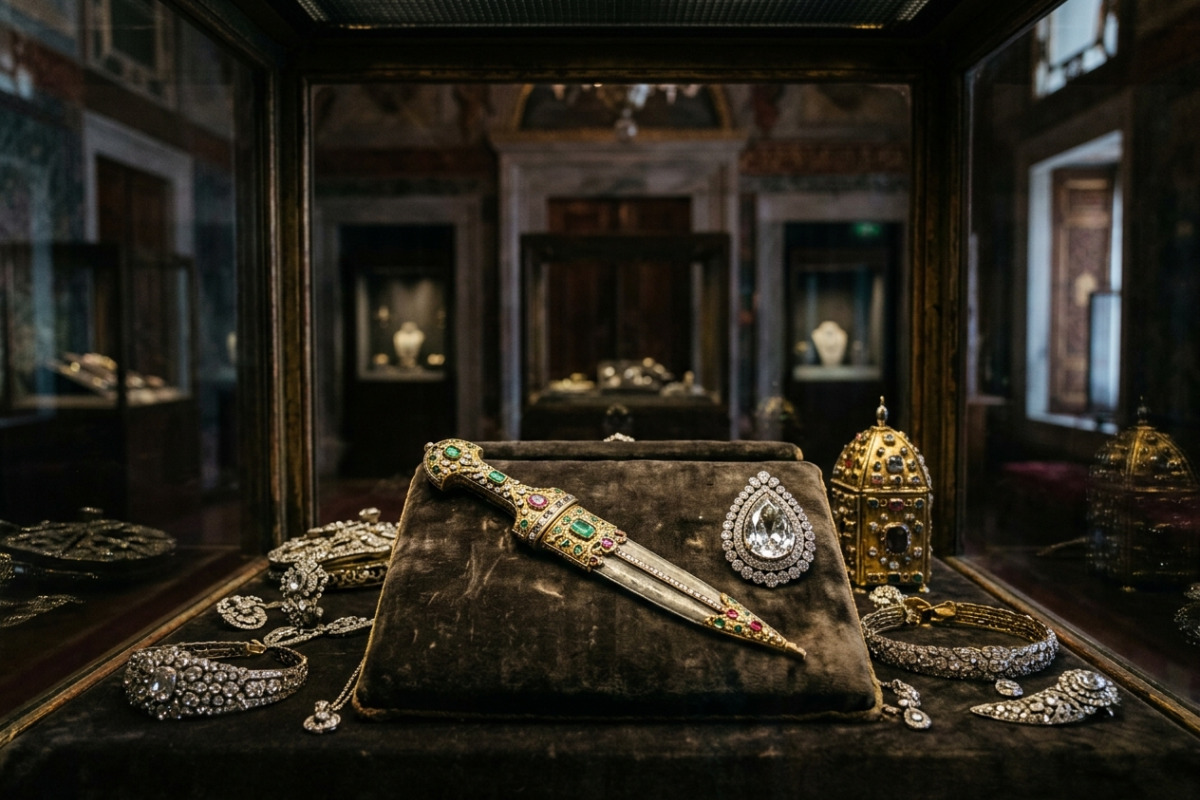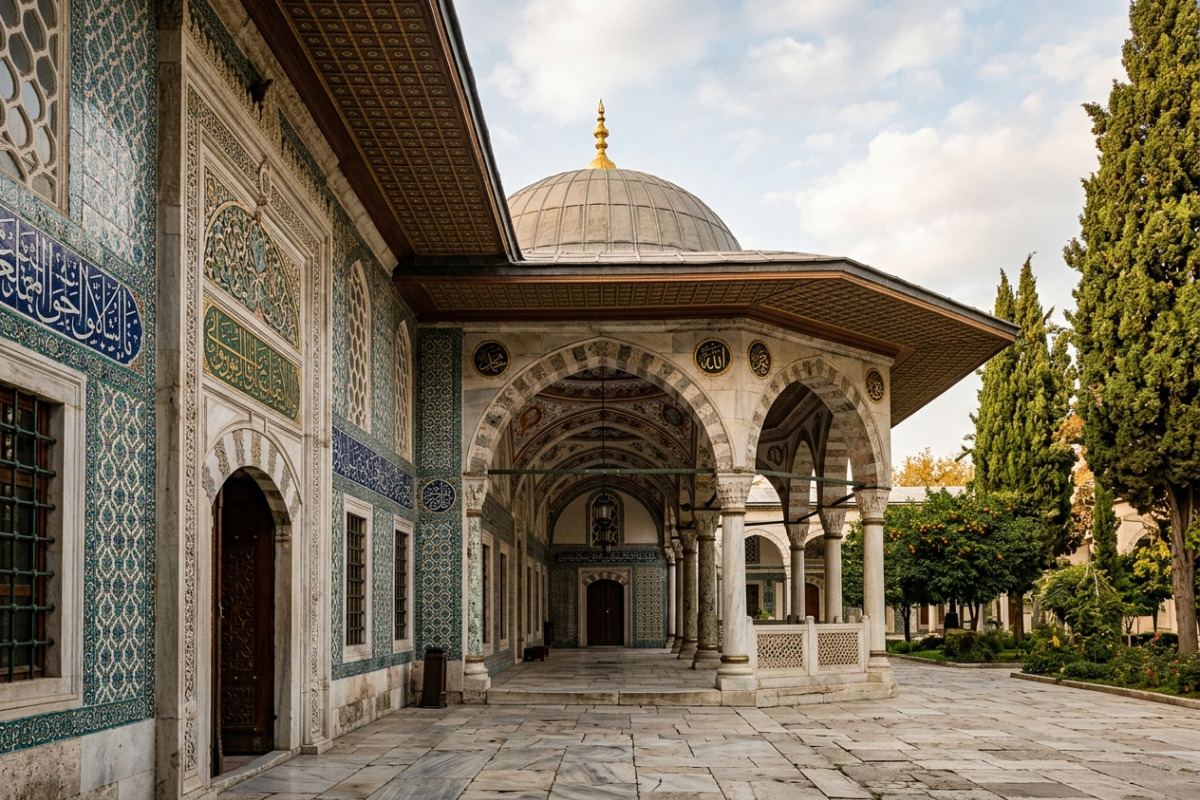
The Topkapi Museum is not merely a repository of artifacts; it's a testament to the grandeur of Ottoman architecture. As you step into this historical palace, you're greeted by a fusion of intricate designs and monumental structures that tell stories of power, culture, and artistry. The architectural marvels of Topkapi are a key aspect of its allure, drawing visitors from around the globe to explore its rich heritage.
Elements of Ottoman Architecture
Ottoman architecture is renowned for its unique blend of Islamic and Byzantine influences. At Topkapi, you can observe this synthesis in the majestic domes, elegant minarets, and expansive courtyards. The architects employed a variety of materials, from local stone to exquisite tiles, creating a visual feast that captivates all who visit.
Particularly notable is the use of light within the palace. The strategic placement of windows and open spaces allows natural light to dance across ornate interiors, enhancing the beauty of the meticulously crafted details. Visitors often find themselves enchanted by the interplay of light and shadow, which adds depth to the historical narrative of the palace.
The Layout and Design Philosophy
The layout of Topkapi Museum is a reflection of the hierarchical structure of Ottoman society. Each section of the palace serves a specific purpose, ranging from administrative functions to royal living quarters. The design is not just functional, but also symbolic, embodying the power dynamics of the empire.
The gardens, courtyards, and rooms are arranged in a way that emphasizes the significance of space. For instance, the Harem, a secluded area for the Sultan's family, is designed to offer privacy and tranquility, while the Imperial Council Chamber showcases the grandeur of governance. This thoughtful arrangement invites visitors to walk through history, experiencing the shifts in power and culture that defined the Ottoman era.
Key Architectural Features to Explore
As you navigate through the museum, be sure to pay attention to some key architectural features that stand out:
- The Gate of Salutation: This grand entrance serves as a symbolic threshold between the outside world and the imperial domain.
- The Tower of Justice: A striking example of Ottoman military architecture, it provides stunning views of the Bosphorus and symbolizes the empire's might.
- The Imperial Harem: Beyond just a living space, it is a complex that showcases the intricacies of royal life and architectural elegance.
Each of these features not only highlights architectural prowess but also the cultural significance embedded in their designs. Visitors are encouraged to explore these elements deeply, as they provide insight into the daily life and governance of the Ottoman Empire.
Visiting Topkapi Museum: Tips for a Memorable Experience
To fully appreciate the architectural wonders of Topkapi Museum, planning your visit is essential. The museum can be quite busy, especially during peak tourist seasons. Arriving early can give you a head start, allowing you to explore the grounds with fewer crowds. Additionally, consider purchasing your tickets online to save time.
While exploring, take advantage of guided tours which often provide deeper insights into the architectural significance of the structures. These tours can unveil stories and details that you might overlook when wandering alone, enriching your overall experience at the museum.
Conclusion: A Journey Through Architectural History
The Topkapi Museum is more than just a collection of artifacts; it's a journey through architectural history that reflects the grandeur of the Ottoman Empire. From the intricate designs to the strategic layout, every aspect of the museum invites exploration and appreciation. Don’t miss the chance to experience this architectural marvel firsthand. Plan your visit today and discover the beauty that awaits you at Topkapi Museum. For more information, check out our Visitor Information.