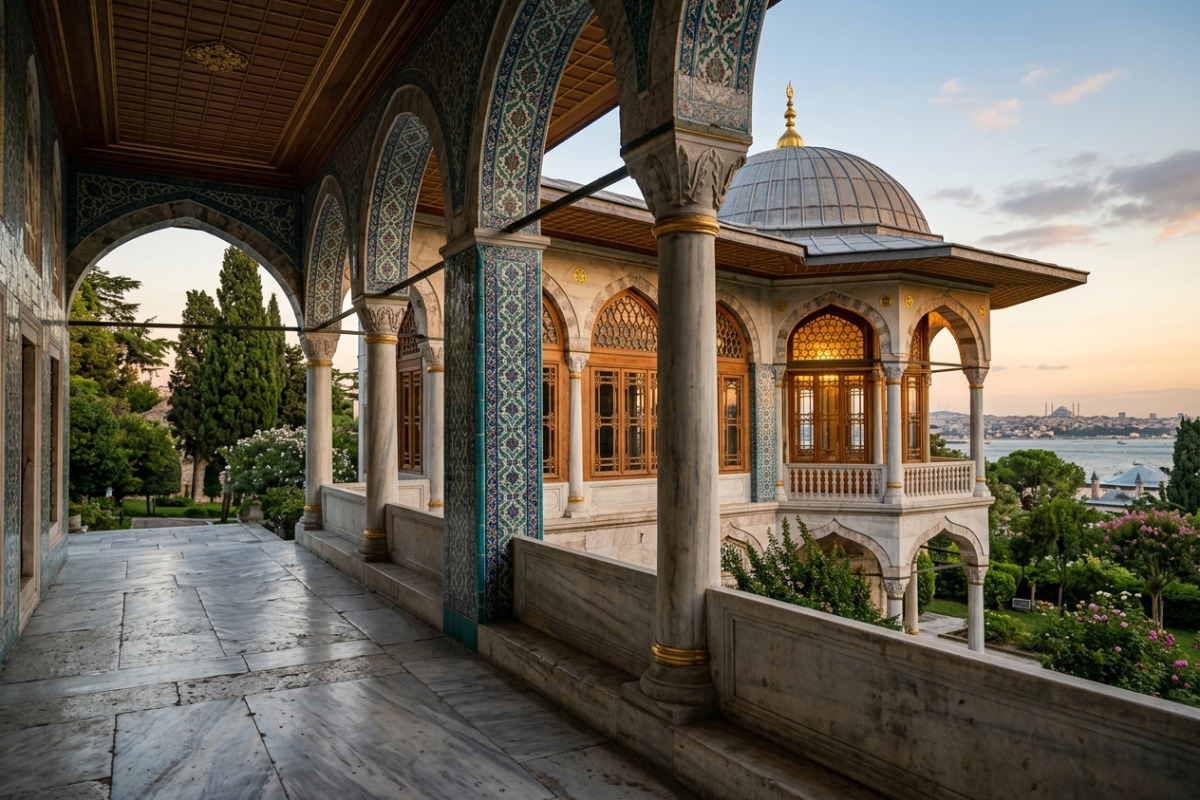
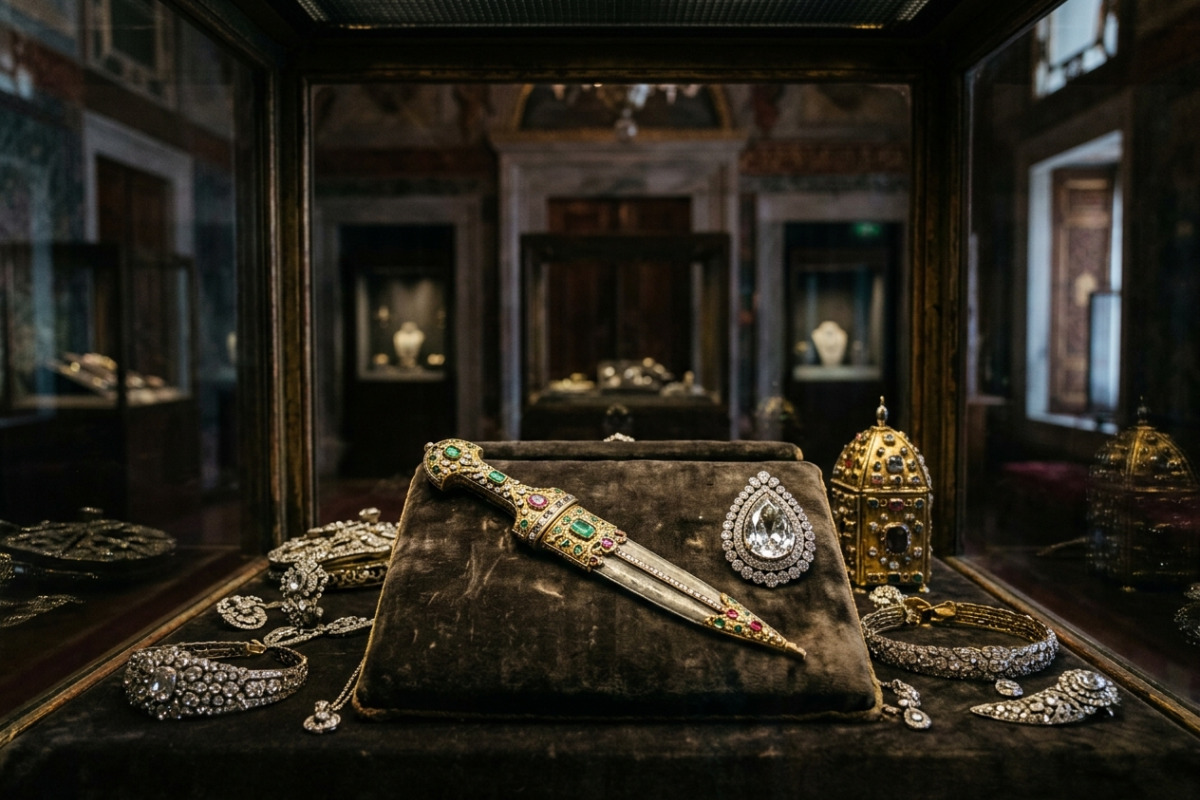
When we walk through the echoing corridors of the Topkapi Palace or gaze at the intricate miniatures of the 16th century, one element immediately captures the imagination: the clothing. In the Ottoman Empire, fashion was never merely about aesthetics or protection against the elements; it was a strictly codified language. Before a word was spoken, a person’s attire declared their profession, religion, social standing, and even their mood. For the modern traveler and history enthusiast, understanding these sartorial codes unlocks a deeper appreciation of a civilization that stood at the crossroads of East and West for over six centuries.
The evolution of this unique style is a journey through time, influenced by the nomadic roots of the Turks, the sophisticated courts of Persia, and later, the industrial shifts of Europe. It is a tapestry woven with threads of politics, religion, and artistic expression. To look at Ottoman clothing is to look at the very fabric of its society, where the stiffness of a brocade or the wrap of a turban could determine a man's fate or a woman's prestige.
The Language of Textiles: Silk, Velvet, and Power
At the heart of Ottoman fashion lay the textile industry, which was state-controlled and meticulously regulated. The empire was strategically located on the Silk Road, making cities like Bursa and Istanbul global hubs for the trade of luxury fabrics. The quality of the cloth was the primary indicator of status. While the common folk wore simple wool or rough cotton, the elite draped themselves in kemha (brocade), velvet, and seraser—a magnificent fabric woven with gold and silver threads. Examples of these luxurious fabrics can be seen today in museum collections, showcasing intricate patterns and vibrant colors that have stood the test of time. Consider, for instance, the stunning silk velvets produced in Bursa, often adorned with stylized floral motifs and used for imperial kaftans.
These fabrics were not just purchased; they were often bestowed as rewards. The concept of hilat, or the robe of honor, was central to Ottoman diplomacy and internal politics. A Sultan would gift a high-quality kaftan to a vizier or a foreign ambassador as a sign of favor. Conversely, the denial of such gifts could signal a fall from grace. The sensory experience of these clothes was immense; they were heavy, imposing, and designed to make the wearer occupy space, both physically and metaphorically. Imagine the weight of a seraser kaftan, shimmering with gold, as a symbol of power and authority.
The Significance of Color
Color was another strictly policed aspect of Ottoman dress. It wasn't a matter of personal preference but of legal decree. The vibrant dyes used in the empire were subject to sumptuary laws that dictated who could wear what.
- Red and Purple: These were often reserved for the highest court officials and the imperial family, symbolizing power and vitality. For example, deep crimson dyes, derived from insects like kermes, were highly prized and used extensively in imperial garments.
- Green: As a sacred color in Islam, green was strictly reserved for the Ulema (religious scholars) and descendants of the Prophet. Wearing green without the proper lineage was a punishable offense. Emerald green, in particular, was a highly sought-after shade.
- Blue and Black: These darker, more subdued tones were generally assigned to the non-Muslim subjects of the empire (Christians and Jews) or the lower classes, distinguishing them from the Muslim ruling elite. Indigo, derived from plants, was a common source of blue dye.
- White: Often associated with purity and the turban, white was a staple for the learned class and the Sultan’s inner circle during specific ceremonies. Linen and fine cotton were often bleached to achieve a brilliant white.
The Kaftan: The Imperial Signature
If there is one garment synonymous with the Ottoman Empire, it is the Kaftan. These long, robe-like coats were worn by men of all classes, but the cut, fabric, and decoration varied wildly. A Sultan’s kaftan was a masterpiece of craftsmanship, often featuring long, decorative sleeves that hung down to the floor—impractical for manual labor, thereby signaling that the wearer was a man of command, not toil. Consider the kaftan of Sultan Suleiman the Magnificent, a testament to the empire's wealth and artistry, now housed in the Topkapi Palace Museum.
The evolution of the kaftan mirrors the empire's history. In the early years, they were simpler and more functional, reflecting the Turks' nomadic cavalry heritage. As the empire settled and grew wealthy, the kaftans became wider, heavier, and more ornate. By the 18th century, the embellishments were so lavish that the garments themselves became treasury items, cataloged and stored with the same care as jewelry.
| Social Class | Typical Fabrics | Key Characteristics |
| The Sultan & Royal Family | Seraser, heavy silk brocade, velvet with gold thread. | Fur-lined, vibrant colors, extremely long sleeves, intricate embroidery. |
| Grand Vizier & Pashas | High-quality satin, silk, and imported wool. | Ceremonial robes, specific colors denoting rank, fur trimmings (sable or ermine). |
| Merchants & Artisans | Cotton, simple wool, linen. | Functional cuts for movement, muted colors, shorter lengths. |
| Religious Scholars | Fine cotton, white muslin. | Modest flowing robes, wide sleeves, emphasis on the color green or white. |
Women’s Attire: Layered Elegance and the Harem
Ottoman women’s fashion was a fascinating blend of privacy and display. Within the confines of the home or the Harem, women wore the entari, a long, open-fronted robe worn over loose trousers known as shalwar. These outfits were designed for comfort and layering. The fabrics used for women were just as luxurious as men's, if not more so, featuring delicate florals and lighter silks that allowed for fluid movement. The intricate embroidery on women's entaris often depicted scenes of nature, reflecting the beauty and tranquility of the Harem gardens.
However, the public sphere required a different approach. When stepping outside, modesty was paramount. This led to the development of the ferace (a dust coat) and the yashmak (veil). Yet, even in concealment, fashion found a way. The quality of the sheer muslin of a yashmak or the cut of a ferace could instantly signal a woman’s social standing to passersby. Wealthy women would accessorize with jeweled belts and elaborate headpieces (hotoz) hidden beneath their veils, creating a sense of mystery and allure.
Headgear: The Crown of Identity
Perhaps nothing was more critical to an Ottoman man’s identity than his headgear. To appear in public bareheaded was unthinkable and shameful. The most iconic headwear was the Turban (sarik). The size, shape, and winding of the turban were a direct CV of the wearer. A Janissary soldier wore a distinct felt cap with a hanging sleeve, while a judge wore a massive, bulbous turban to signify the weight of his knowledge.
The wrapping of the turban was an art form in itself. The destar (the cloth wrapped around the cap) could be made of fine muslin or silk. As the centuries passed, the turban became so large and unwieldy that it symbolized the stagnation of the bureaucracy itself. This eventually led to one of the most dramatic shifts in fashion history: the clothing reforms of the 19th century.
The Winds of Change: Westernization and the Fez
By the early 19th century, the Ottoman Empire was facing significant political and military challenges. Sultan Mahmud II, a reformist ruler, believed that to modernize the state, he had to modernize its appearance. In 1829, he abolished the turban and the traditional robes for government officials, replacing them with the Fez and the frock coat (stambouline). This was a radical departure that shocked the conservative segments of society.
The adoption of the Fez and Western-style trousers marked a psychological shift. It was an attempt to align visually with European powers while retaining a distinct Ottoman identity through the red headgear. This era, known as the Tanzimat, saw the blending of Parisian tailoring with Ottoman sensibilities. The elaborate silks gave way to European wools, and the visual hierarchy of the empire began to blur, setting the stage for the modern Turkish republic's fashion evolution. Today, walking through museums in Istanbul, we see these garments not just as clothes, but as the hushed echoes of a magnificent, complex past.
Ottoman Fashion's Enduring Legacy
The influence of Ottoman fashion extends beyond the historical archives and into contemporary design. Elements of Ottoman aesthetics, such as rich textiles, intricate embroidery, and layered silhouettes, continue to inspire designers and artists worldwide. The kaftan, in particular, has seen a resurgence in modern fashion, adapted into flowing dresses and stylish outerwear. Designers often draw inspiration from Ottoman motifs, incorporating them into prints, embellishments, and jewelry. Furthermore, the emphasis on modesty and elegance in Ottoman women's attire resonates with contemporary trends that celebrate both style and cultural identity. From high-fashion runways to everyday street style, the echoes of Ottoman grandeur can still be seen, demonstrating the timeless appeal of this unique sartorial heritage.