When walking through the intricate corridors of Topkapi Palace, the air seems thick with the whispers of history, carrying secrets from centuries past. For many, the word 'harem' conjures images of forbidden romance and secluded luxury, a fantasy painted by Orientalist artists of the 19th century. However, the reality of the Ottoman Imperial Harem was far more complex, dynamic, and politically significant than these romanticized myths suggest. It was not merely a golden cage for beautiful women; it was a highly organized institution, a center of elite education, and, for a distinct period in history, the true seat of imperial power where women shaped the destiny of an empire that spanned three continents.
To understand the Ottoman Empire, one must look beyond the Sultan’s throne and into the private quarters where mothers, wives, and daughters navigated a high-stakes world of diplomacy and survival. The women of the harem were not passive figures waiting in the shadows; they were active political agents who commanded armies, negotiated treaties, and built monumental structures that still define the skyline of Istanbul today. As we explore their stories in 2026, we find that their legacy is not just one of intrigue, but of profound resilience and authority.
Beyond the Veil: Demystifying the Ottoman Harem
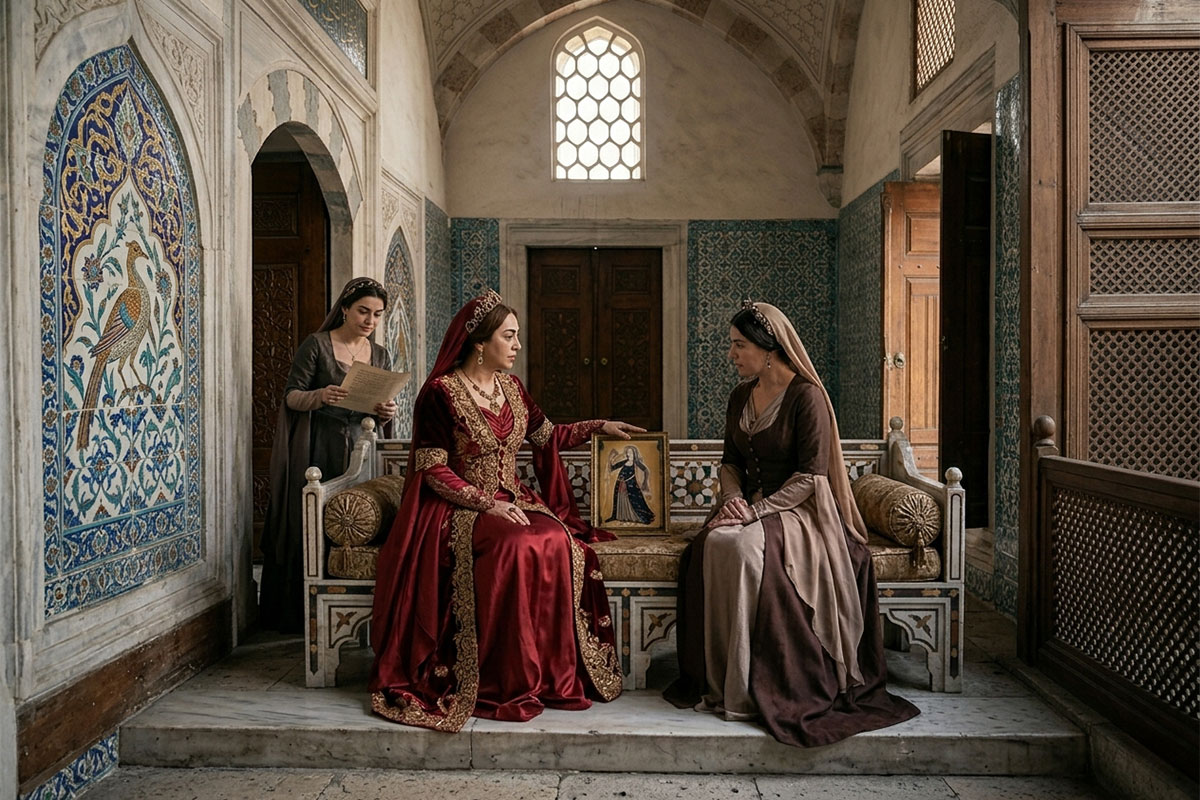
The Harem, linguistically derived from the Arabic word 'haram' meaning 'forbidden' or 'sacred,' was the private sanctuary of the Sultan and his family. While it was indeed off-limits to most men, describing it solely as a pleasure quarter ignores its primary function as a royal household and an educational academy. Young women brought to the harem were often of non-Turkish origins, but once they entered the palace, they underwent rigorous training that rivaled the education of male pages in the Enderun School. They were taught Turkish, theology, music, embroidery, and the intricate etiquette required to survive in the court, transforming them into some of the most cultured women of their time.
This meritocratic system allowed women of humble beginnings to rise through the ranks based on their intelligence, talent, and ability to navigate the social hierarchy. A woman who showed exceptional promise could rise from a simple servant to a powerful consort, eventually influencing state matters. The harem was a distinct society with its own laws, economy, and government, managed almost entirely by women. It was here that the future of the dynasty was secured, not just through reproduction, but through the careful political maneuvering of the Sultan's favorites.
The Sultanate of Women: An Era of Female Rule
History books often focus on the reigns of Suleiman the Magnificent or Mehmed the Conqueror, but there was a period roughly spanning the 16th and 17th centuries known as the 'Sultanate of Women' (Kadınlar Saltanatı). During this era, the Valide Sultan (Mother Queen) and the Haseki Sultan (Chief Consort) exercised extraordinary political power, often effectively ruling the empire while their sons or husbands occupied the throne. This was not a behind-the-scenes influence; it was recognized, albeit sometimes grudgingly, by foreign ambassadors and court officials alike.
These women wielded their influence in various strategic ways to maintain control and stability:
- Diplomatic Correspondence: They exchanged letters and gifts with European royalty, including Queen Elizabeth I of England and Catherine de' Medici of France, acting as key diplomats.
- Political Appointments: They had a decisive say in the appointment of Grand Viziers and high-ranking officials, ensuring their allies held key positions.
- Regency: In cases where the Sultan was a minor or mentally incapable, the Valide Sultan ruled as the official regent, signing state papers and attending council meetings from behind a curtain.
- Public Perception: They managed the public image of the dynasty through massive charitable endowments and public appearances during processions.
Notable Figures Who Shaped History
Hurrem Sultan (Roxelana): The Game Changer
No discussion of the harem is complete without mentioning Hurrem Sultan, the woman who shattered centuries of tradition. Born Aleksandra Lisowska in modern-day Ukraine, she was captured and brought to Suleiman the Magnificent’s harem, where she quickly captivated the Sultan with her wit and fiery red hair. Unlike her predecessors, Hurrem did not fade away after giving birth to a son; instead, she became Suleiman's legal wife—a shocking break from custom—and moved into the main palace, placing herself at the physical center of power. Her influence was so profound that she acted as Suleiman’s advisor, and her charitable foundations in Jerusalem and Mecca solidified her status as a powerful patron of the faith. Beyond her political acumen, Hurrem was also a patron of the arts, commissioning poets and artists, further enriching the cultural landscape of the Ottoman Empire. Her correspondence with foreign dignitaries, particularly those in Poland, reveals a keen understanding of international affairs and a desire to foster peaceful relations.
Kosem Sultan: The Ultimate Survivor
If Hurrem opened the door to female power, Kosem Sultan kicked it down and sat on the throne. Living through the reigns of six different Sultans, she is perhaps the most powerful woman in Ottoman history. As the Valide Sultan to her sons Murad IV and Ibrahim, and later to her grandson Mehmed IV, she effectively ran the empire for decades. Kosem was a master politician who navigated mutinies, economic crises, and dynastic feuds with an iron will. Her tragic end—strangled in the harem during a coup—only underscores the incredibly high stakes of the game she played. Her life story reads like a thriller, filled with alliances, betrayals, and an unyielding drive to protect the dynasty. Kosem's influence extended beyond the palace walls; she was known for her charitable works, particularly her efforts to alleviate poverty and provide aid to the poor in Istanbul. She established numerous foundations to support these initiatives, further solidifying her image as a benevolent ruler.
Mihrimah Sultan: The Princess of Power
The daughter of Suleiman and Hurrem, Mihrimah Sultan, holds a unique place in history as a princess by birth rather than a consort. She traveled with her father on military campaigns, advised him on political matters, and even lent her own wealth to the state treasury to fund wars. Mihrimah is also immortalized in the architecture of Istanbul; the two magnificent mosques built for her by the famous architect Sinan—one in Üsküdar and one in Edirne—stand as testaments to her wealth and aesthetic vision. She proved that the daughters of the empire could be just as influential as its sons.
Life Inside the Harem: Hierarchy and Order
The harem was not a chaotic environment but a strictly disciplined institution with a clear pyramid of power. Every woman knew her place, and moving up required patience, skill, and favor. Understanding this hierarchy is crucial to grasping how order was maintained among hundreds of women living in close quarters.
| Rank | Title | Role and Status |
| 1. Valide Sultan | The Queen Mother | The pinnacle of power. She ruled the harem, controlled the budget, and had direct access to the Sultan. Her word was law. |
| 2. Haseki Sultan | Chief Consort | The favorite wife or consort of the Sultan, especially one who had borne a son (Sehzade). She enjoyed special privileges and apartments. |
| 3. Ikbal / Gözde | Favorites | Women who had caught the Sultan's eye and were invited to his quarters. They were given private rooms and servants. |
| 4. Kalfa | Mistress/Supervisor | Experienced women who managed the administrative duties, trained new girls, and ensured discipline within the harem. |
| 5. Cariye | Novice/Concubine | The lowest rank. These were new arrivals who performed domestic duties while receiving their education. |
The Architectural and Cultural Legacy
The legacy of these women extends far beyond the dusty pages of history books; it is built into the very stones of Istanbul. The powerful women of the harem were prolific builders. Because they could not lead armies into battle to win spoils, they established their legitimacy and piety through 'waqfs' (charitable endowments). They commissioned mosques, hospitals, soup kitchens, hammams (baths), and fountains that served the public for centuries. The Haseki Hurrem Sultan Hamam, located between the Blue Mosque and Hagia Sophia, is a prime example of this philanthropic spirit, still functioning today as a luxury bathhouse. Furthermore, Hurrem Sultan's influence extended to the construction of schools and libraries, demonstrating her commitment to education and learning. Kosem Sultan, not to be outdone, contributed significantly to the restoration of important religious sites, including mosques in Mecca and Medina, solidifying her reputation as a devout and generous benefactor.
Mihrimah Sultan's architectural contributions are particularly noteworthy. The Mihrimah Sultan Mosque in Üsküdar, designed by Sinan, is a masterpiece of Ottoman architecture, known for its elegant dome and intricate details. Legend has it that Sinan, who was deeply in love with Mihrimah, designed the mosque to capture her beauty and grace. The placement of the mosque, overlooking the Bosphorus, further enhances its grandeur and symbolic importance. The second Mihrimah Sultan Mosque in Edirne, though smaller, is equally impressive, showcasing Sinan's mastery of light and space. These mosques not only served as places of worship but also as centers of community life, providing social and economic benefits to the surrounding areas.
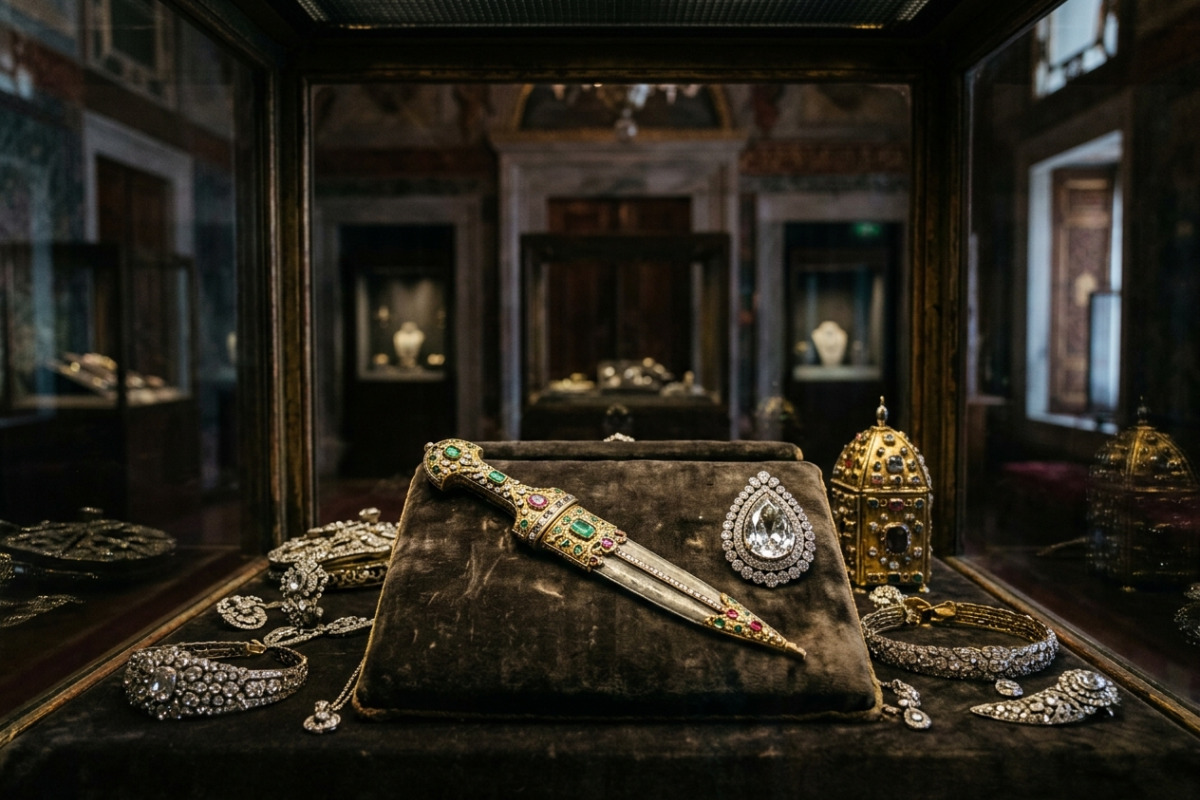
Furthermore, the 'Sultanate of Women' fostered a golden age of arts and textiles. The intricate kaftans, jewelry, and ceramics patronized by the harem influenced trends across Europe. The 'Tulip Period' and the subsequent artistic flourishes in the empire were often driven by the sophisticated tastes developed within the harem walls. When you visit these sites today, you are not just seeing beautiful architecture; you are witnessing the tangible results of female financial and political autonomy in the 16th and 17th centuries.
Visiting the Harem Today
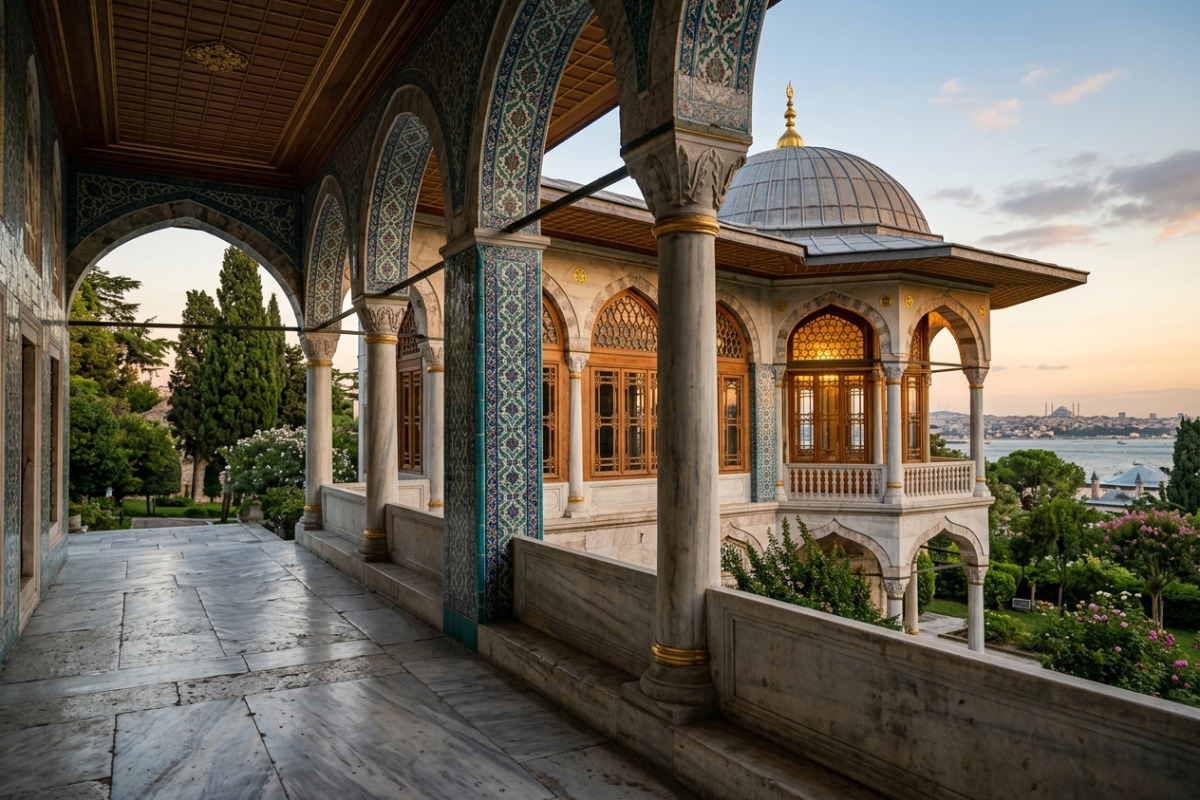
For the modern traveler, a visit to the Harem section of Topkapi Palace is an evocative experience. Walking through the Courtyard of the Eunuchs, peering into the Queen Mother’s apartments, and seeing the Golden Road where the Sultan passed, brings these stories to life. The intricate Iznik tiles, with their floral patterns and verses from the Quran, offer a glimpse into the aesthetic world these women inhabited. It is a place of contrasts—claustrophobic yet magnificent, private yet politically central.
As we look back at the history of the Ottoman Empire, it becomes clear that the narrative is incomplete without the women of the harem. They were survivors and rulers who navigated a treacherous world with intelligence and grace. Their influence shaped the course of wars, the skyline of cities, and the lineage of sultans, proving that power in the Ottoman Empire was never solely a male prerogative.