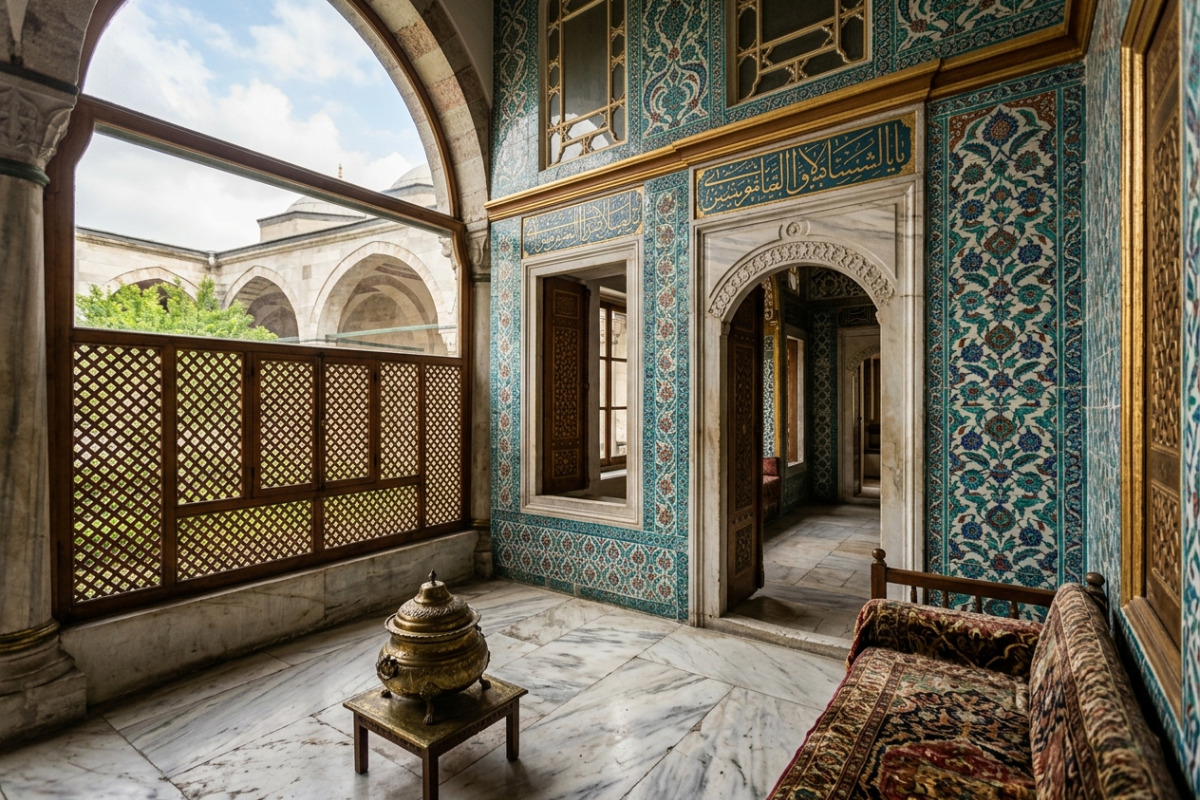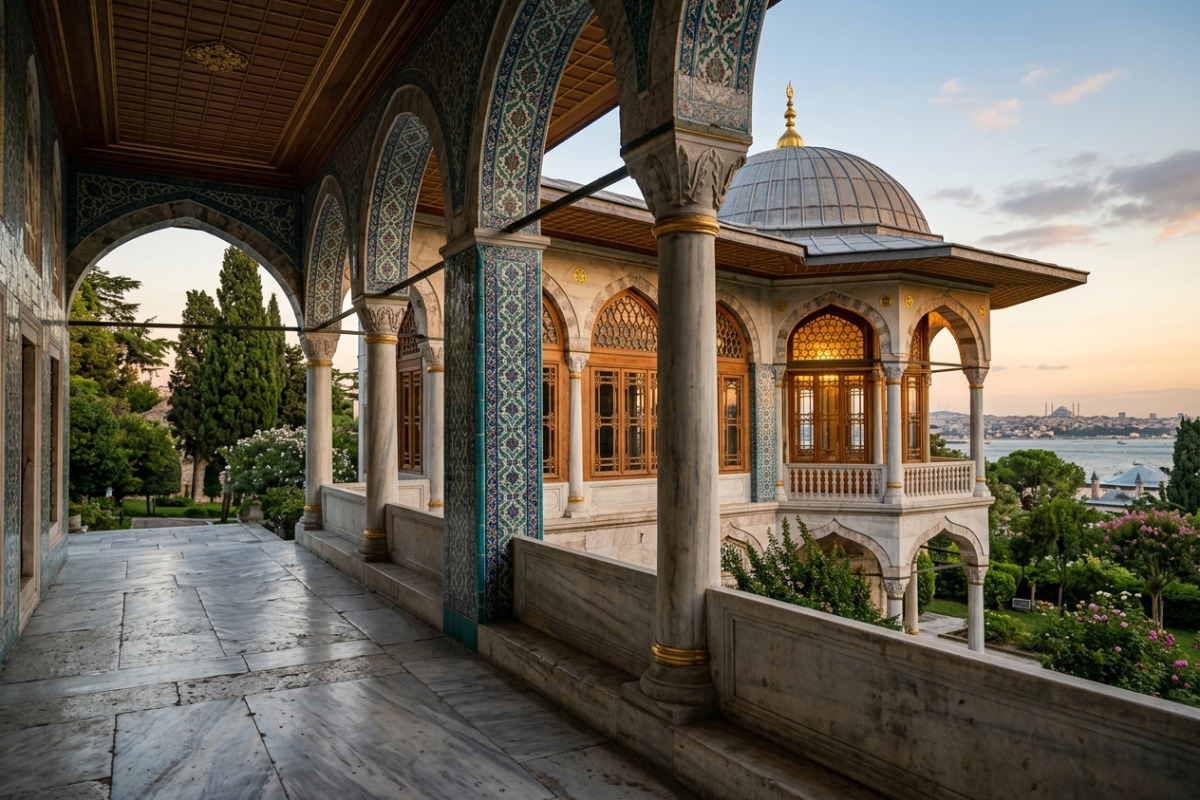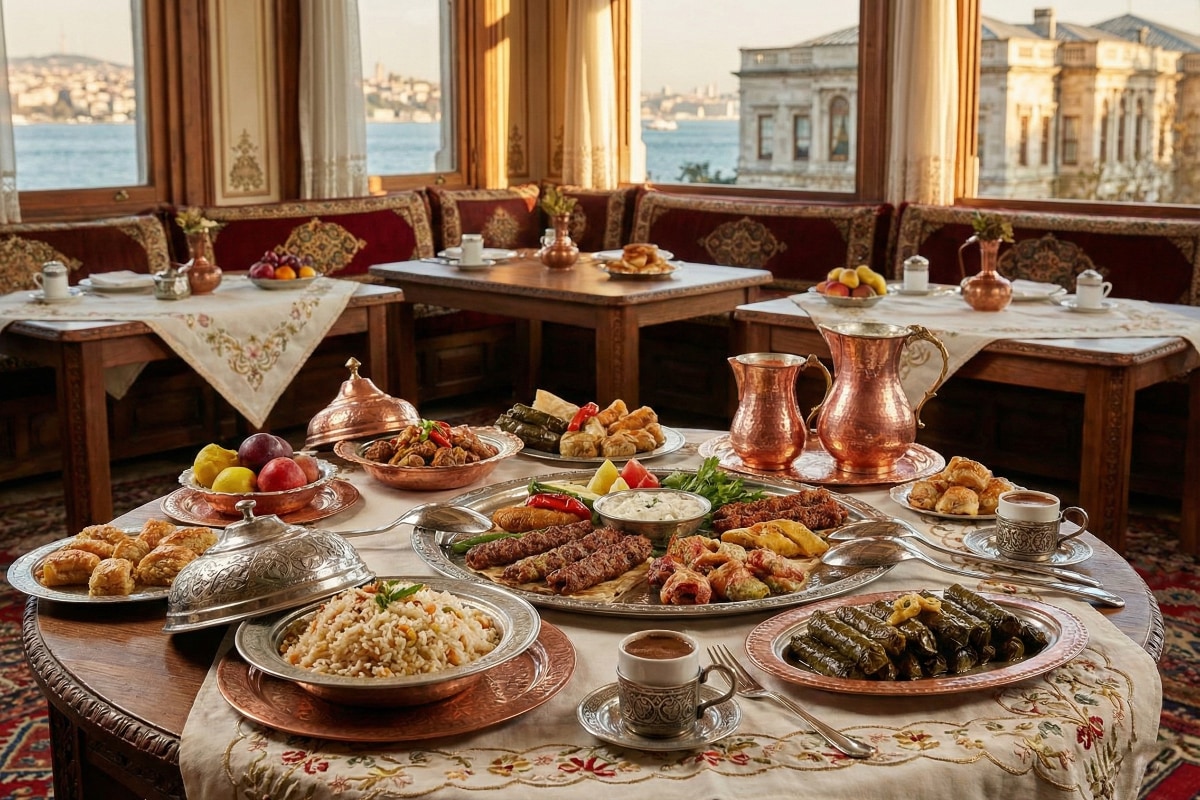
When we imagine the grandeur of the Ottoman Empire, our minds often drift to the architectural marvels of Istanbul or the intricate politics of the court. However, the true heartbeat of this magnificent civilization was often found in its kitchens. The Ottoman culinary tradition is not merely a collection of recipes; it is a sophisticated synthesis of Central Asian heritage, Middle Eastern flavors, and Balkan influences, all refined within the walls of the Topkapı Palace. For a modern traveler or food enthusiast in January 2026, understanding this history transforms a simple meal in Turkey into a profound cultural experience. The cuisine tells the story of an empire that spanned three continents, absorbing the best ingredients and techniques from each to create a gastronomy fit for a Sultan.
The epicenter of this culinary evolution was the Matbah-ı Amire, the imperial kitchens of the Ottoman Palace. At its peak, this massive operation employed over a thousand chefs and apprentices, each specializing in a specific category of food, from soups to halva. This intense specialization allowed for the perfection of techniques that are still revered today. Unlike the heavy reliance on spices found in other Eastern cuisines, Ottoman chefs focused on highlighting the natural flavors of high-quality ingredients, using spices like cinnamon, cumin, and saffron with restraint and precision to enhance rather than overpower the dish.
The Geography of Flavor: An Empire on Three Continents
The culinary identity of the Ottomans was heavily dictated by the vast geography they controlled. Controlling the spice routes meant that Istanbul was a hub where ingredients from the East met the produce of the West. The distinct characteristics of Ottoman food arose from this unique position, blending the nomadic culinary traditions of Turkish tribes—such as the preservation of meat and the use of yogurt—with the refined tastes of the Persian and Byzantine courts. This fusion created a diverse palate where sweet and savory often mingled on the same plate, a characteristic that distinguishes classical Ottoman recipes from modern Turkish cuisine.
Geography also dictated the seasonal availability of produce, which the palace kitchens respected religiously. The lush lands of Anatolia provided grains and lamb, the Balkans offered dairy and pastry techniques, while the Mediterranean coast contributed olive oil and fresh vegetables. This logistical network ensured that the Sultan’s table was always laden with the freshest items available, regardless of the season. The integration of fruits into savory dishes, such as plums with beef or apricots with lamb, showcases the Persian influence that was adapted and perfected by Ottoman chefs to create complex flavor profiles.
Dining Customs and the Imperial Table
Dining in the Ottoman era, particularly within the palace, was a ritualistic affair governed by strict etiquette. Unlike the banquet halls of medieval Europe, Ottoman dining was generally a quieter, more rapid experience focused on the appreciation of the food itself. Meals were typically served on a sini, a large round tray placed on a low stool or collapsible stand, around which diners would sit on cushions on the floor. This communal style of eating fostered a sense of equality and brotherhood among those sharing the meal, even if rank strictly dictated who sat at which tray.
The etiquette at the table was precise and demanded a high level of sophistication. Silence was often observed during the meal to show respect for the food and the host. Utensils were minimal; while spoons were used for soups and compotes, most solid foods were eaten with the right hand, using three fingers in a delicate manner. Bread was considered sacred, never to be wasted or dropped on the floor. Following the meal, rose water was often sprinkled on the hands of guests, and incense was burned, signaling the end of the dining ceremony.
Key Elements of Ottoman Dining Etiquette
- The Spoon's Role: Spoons were the primary utensil, often made from wood, tortoiseshell, or ivory, and were used for the vast array of soups and sherbets served.
- Communal Sharing: Dishes were placed in the center of the tray, and diners would eat from the side directly in front of them, never reaching across the table.
- Speed and Silence: Meals were consumed relatively quickly compared to Western banquets, with a focus on digestion and gratitude rather than prolonged conversation.
- Sherbet Service: No meal was complete without the accompaniment of fruit sherbets, which served to cleanse the palate and aid digestion.
Signature Dishes of the Palace Kitchen
The repertoire of the Ottoman kitchen was vast, but certain dishes have stood the test of time, becoming legendary representations of this era. Meat, particularly lamb and mutton, held a prestigious place on the menu. One of the most famous examples is Hünkarbeğendi, or "The Sultan Liked It." This rich dish consists of tender cubes of stewed lamb served over a smoky, creamy roasted eggplant puree. The combination of the charred eggplant flavor with the savory meat creates a texture and taste profile that perfectly encapsulates the Ottoman love for contrasting yet complementary flavors.
Rice pilaf (pilav) was not merely a side dish but a measure of a chef's skill and a symbol of status. In the palace, rice was a luxury ingredient, and a properly cooked pilaf had to be fluffy, with each grain distinct and separate. These pilafs were often enriched with butter, chickpeas, currants, pine nuts, and various spices. Vegetable dishes, particularly those cooked in olive oil (zeyağlılar), were also perfected during this time. The technique of stuffing vegetables, known as dolma (stuffed) and sarma (wrapped), transformed simple ingredients like vine leaves, peppers, and zucchini into exquisite delicacies filled with aromatic rice blends or spiced meats.
Beyond Hünkarbeğendi and elaborate pilafs, other dishes showcase the ingenuity of Ottoman chefs. Mutancana, a lamb stew with dried fruits like apricots, plums, and figs, highlights the sweet-savory balance favored in the palace. Another example is Kuzu İncik, slow-braised lamb shanks, often served with a rich sauce made from the braising liquid and seasonal vegetables. These dishes, while perhaps less known than baklava, represent the depth and sophistication of Ottoman culinary arts.
A Glimpse into the Imperial Pantry
To understand the complexity of these dishes, one must look at the staple ingredients that defined the era. The following table highlights the core components that were essential to the Ottoman larder.
| Ingredient Category | Key Items | Culinary Application |
| Proteins | Lamb, Mutton, Chicken, Partridge | Slow-cooked stews, kebabs, and soups. Lamb was the preferred meat for banquets. |
| Fruits (in savory dishes) | Quince, Apricots, Plums, Pomegranate | Used in stews (Mutancana) to provide acidity and sweetness, balancing fatty meats. |
| Vegetables | Eggplant, Okra, Artichokes, Zucchini | Roasted, fried, or stuffed. Eggplant was the undisputed king of vegetables. |
| Aromatics & Spices | Saffron, Cinnamon, Mastic, Rose Water | Used for fragrance in desserts and rice dishes; mastic provided a unique texture to puddings. |
The Sweet Legacy: Desserts and Sherbets
No exploration of Ottoman cuisine is complete without mentioning the Helvahane, the dedicated section of the palace kitchen reserved for sweets, jams, and pharmaceuticals. Sugar was a precious commodity, and the ability to craft intricate desserts was a sign of power and wealth. Baklava, with its paper-thin layers of yufka dough, nuts, and syrup, is perhaps the most famous export, but the variety went far beyond it. Milk puddings like tavuk göğsü (chicken breast pudding) and fruit compotes were daily staples. Turkish Delight (Lokum), invented in the late 18th century, became a sensation that eventually conquered Europe.
Beverages played a crucial role in the Ottoman dining experience, specifically sherbets (şerbet). Since alcohol was generally prohibited for Muslims, the Ottomans elevated soft drinks to an art form. Sherbets were made from fruit juices, flower extracts (like rose and violet), herbs, and spices, sweetened with honey or sugar. These drinks were not only refreshing but also believed to have medicinal properties. In the hot summer months, snow brought down from the mountains was used to chill these beverages, a luxury that impressed foreign dignitaries and travelers alike.
Enduring Influence on Modern Gastronomy
Today, the legacy of the Ottoman Empire lives on in the kitchens of modern Turkey, the Balkans, and the Middle East. While the elaborate banquets of the Topkapı Palace are a thing of the past, the philosophy of respecting ingredients and the communal spirit of the sofra remain. Contemporary chefs are increasingly looking back to these historical recipes, reviving forgotten dishes like savory fruit stews and complex pilafs, proving that true taste is timeless. For the culinary traveler, exploring these flavors is not just about eating; it is a journey through history, tasting the very culture that shaped a significant portion of the world.
The influence of Ottoman cuisine extends beyond specific dishes. Techniques like slow cooking, the use of yogurt in both sweet and savory dishes, and the art of stuffing vegetables are all hallmarks of Ottoman culinary heritage that continue to be employed today. Furthermore, the Ottoman emphasis on seasonal ingredients and the balance of flavors has inspired a new generation of chefs to explore and reinterpret traditional recipes. Restaurants in Istanbul and beyond are now offering modern takes on classic Ottoman dishes, showcasing the enduring appeal of this rich culinary tradition. The concept of 'meyhane' (traditional Turkish tavern) culture, offering a variety of mezes (small dishes) alongside drinks, also has its roots in Ottoman dining customs, reflecting the communal and convivial aspect of the Ottoman sofra.