The architectural legacy of the Ottoman Empire continues to resonate in today’s design world. From intricate tilework to majestic domes, the elements of Ottoman architecture not only provide aesthetic beauty but also encapsulate a rich history that influences modern architectural practices. Understanding this connection can deepen your appreciation for both historical and contemporary design.
Exploring Architectural Elements
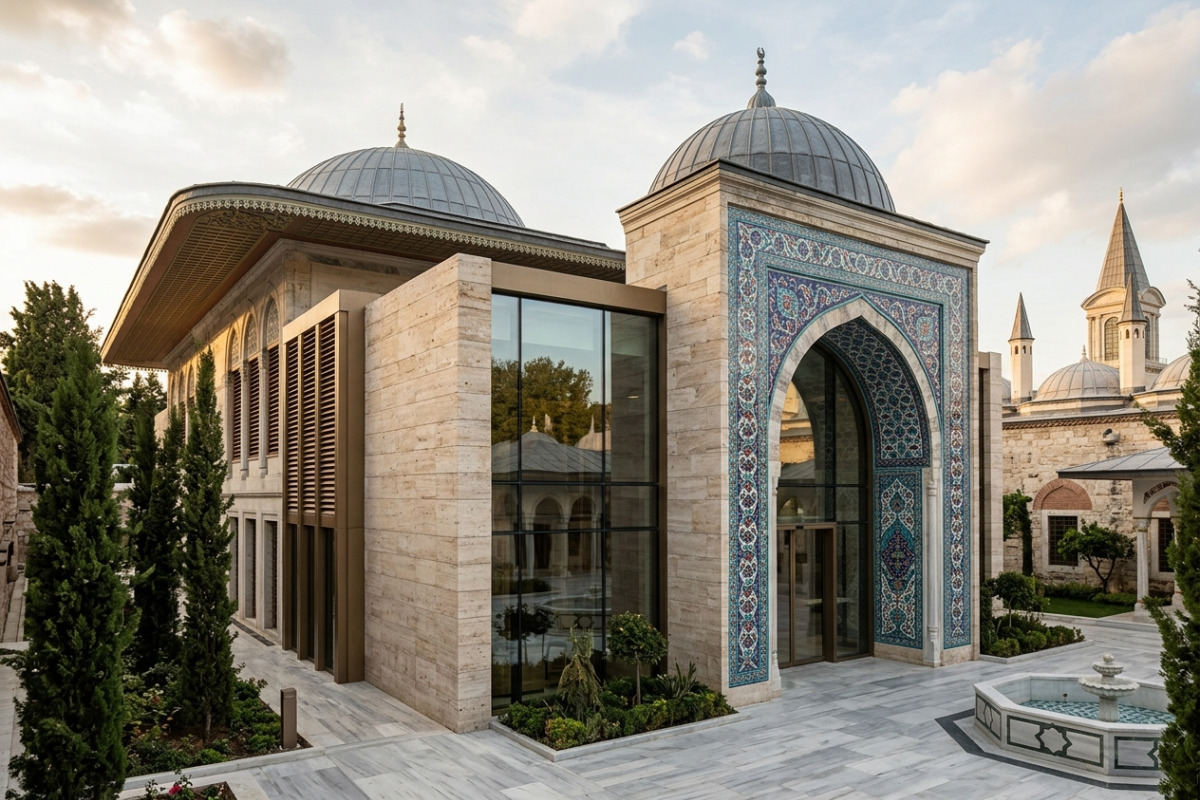
To appreciate the influence of Ottoman architecture, it’s essential to examine its key features. The use of large domes, expansive courtyards, and ornate tilework are hallmarks of this architectural style. These elements were not merely decorative; they served functional purposes that enhanced the living conditions in palaces and mosques. For example, the grand domes allowed for spacious interiors filled with light while also providing superior acoustics for sound, particularly in mosques.
Moreover, the integration of nature into design was a significant aspect of Ottoman architecture. Gardens, fountains, and natural light were carefully considered in the layout of spaces, promoting a sense of harmony and tranquility. This practice can be seen in modern architecture, where biophilic design principles integrate natural elements to improve well-being and aesthetic appeal.
Color and Decoration: A Lasting Impact
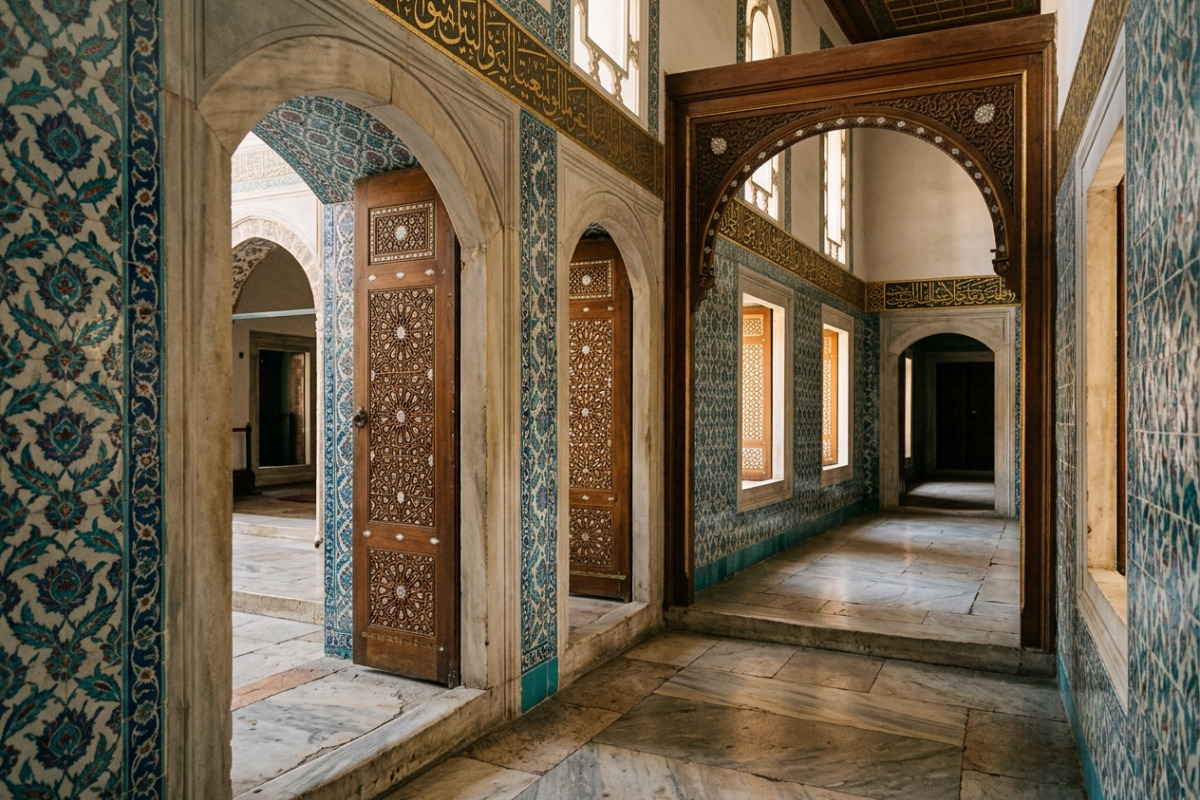
Another striking feature of Ottoman architecture is its vibrant use of colors and patterns. The intricate tilework often tells a story or represents a specific cultural significance, which is a practice that modern designers strive to emulate. Today, many architects incorporate bold colors and patterns to evoke a sense of identity and place within their designs, drawing inspiration from the rich tapestry of Ottoman aesthetics.
Additionally, the concept of layering textures and materials in Ottoman architecture offers valuable lessons for modern design. By combining different materials—stone, tile, and wood—architects can create spaces that are not only visually appealing but also rich in texture and warmth. This approach is increasingly popular in contemporary design, where the tactile experience of a space is just as important as its visual aesthetic.
The Cultural Significance and Legacy
The cultural significance of Ottoman architecture extends beyond mere aesthetics; it embodies a narrative of cultural exchange and influence. As architects today seek to create spaces that reflect multicultural influences, the lessons from the Ottoman Empire provide a framework for blending diverse cultural elements into cohesive designs. This practice not only honors historical roots but also fosters inclusivity in architectural expression.
Moreover, understanding the historical context of Ottoman architecture encourages modern architects to consider the cultural stories behind their designs. By doing so, they can create spaces that resonate with deeper meanings and connections, enriching the experience for users.
Bringing Ottoman Influence into Modern Spaces
Incorporating elements of Ottoman architecture into modern design doesn't require a complete overhaul of existing structures. Simple adaptations, such as the use of arched doorways, decorative tiles, or even garden courtyards, can evoke the grandeur of the Ottoman era while maintaining contemporary functionality. This approach allows designers to celebrate the past while innovating for the future.
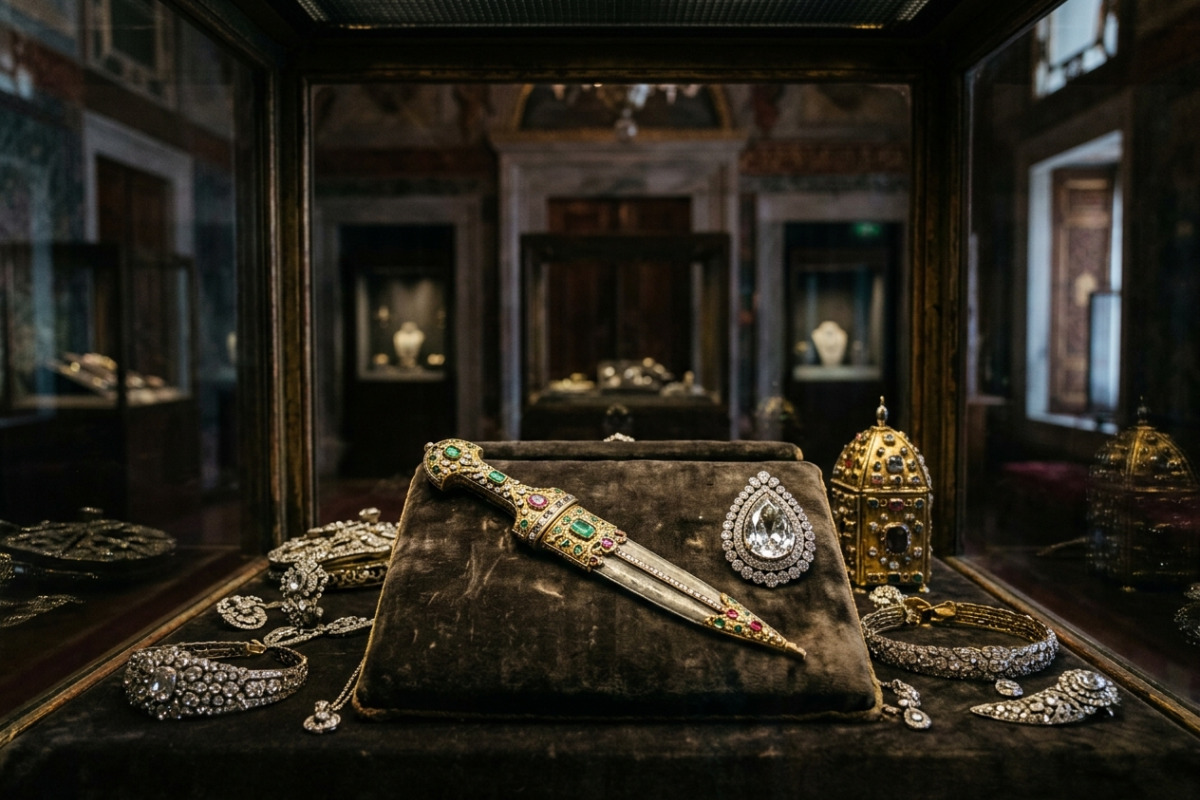
For those interested in exploring this architectural journey further, visiting the Topkapi Museum can provide firsthand experience of these timeless designs. The museum showcases not only the beauty of Ottoman architecture but also the stories and cultural significance behind each feature.
Conclusion: A Journey Through Time and Design
As we navigate through modern design landscapes, the influence of Ottoman architecture remains a vital source of inspiration. By embracing its principles and aesthetics, architects can create spaces that honor historical significance while meeting contemporary needs. If you’re planning a visit to Istanbul, don’t miss the opportunity to explore the Topkapi Museum, where the richness of Ottoman heritage is beautifully preserved and celebrated.