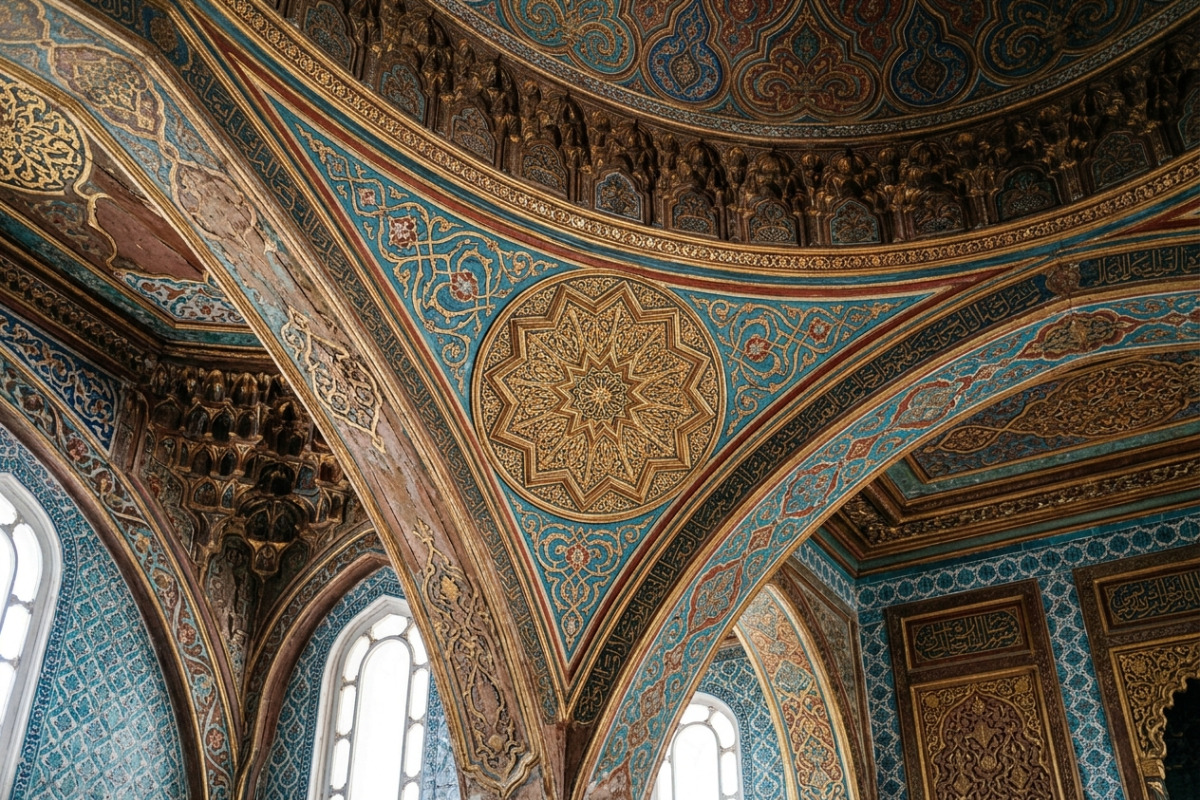
Topkapi Museum stands as a testament to the grandeur of the Ottoman Empire, but beyond its stunning architecture and exquisite artifacts lies a world of hidden symbolism. Each element, from the intricate tilework to the layout of the Harem, tells a story steeped in cultural significance. Understanding these layers enhances your visit, allowing you to appreciate not just what you see, but the deeper meanings behind it.
The Symbolism of Space in Topkapi
The design of Topkapi Palace is not merely an aesthetic choice; it reflects the hierarchical nature of Ottoman society. The separation of spaces within the palace signifies different social statuses and roles. The Sultan’s quarters, for instance, are strategically elevated, symbolizing his authority. Conversely, the Harem, while luxurious, is designed to maintain a sense of privacy and seclusion for the women of the court. This spatial arrangement embodies the complexities of gender and power in the Ottoman Empire.
As you navigate through the palace, notice how the flow from public to private areas is carefully constructed. The Grand Hall serves as a transitional space that allows visitors to witness the opulence of the court while also hinting at the intimate life within the Harem. This architectural choice invites reflection on the duality of public spectacle and private existence.
Art and Artifact: A Reflection of Culture
Every artifact housed in the Topkapi Museum has been selected not only for its beauty but also for its cultural significance. The ornate calligraphy, for example, is not just decorative; it serves as a spiritual anchor, reflecting the Islamic values that permeated Ottoman life. The calligraphy often contains verses from the Quran, which were meant to inspire and elevate the viewer's spirit.
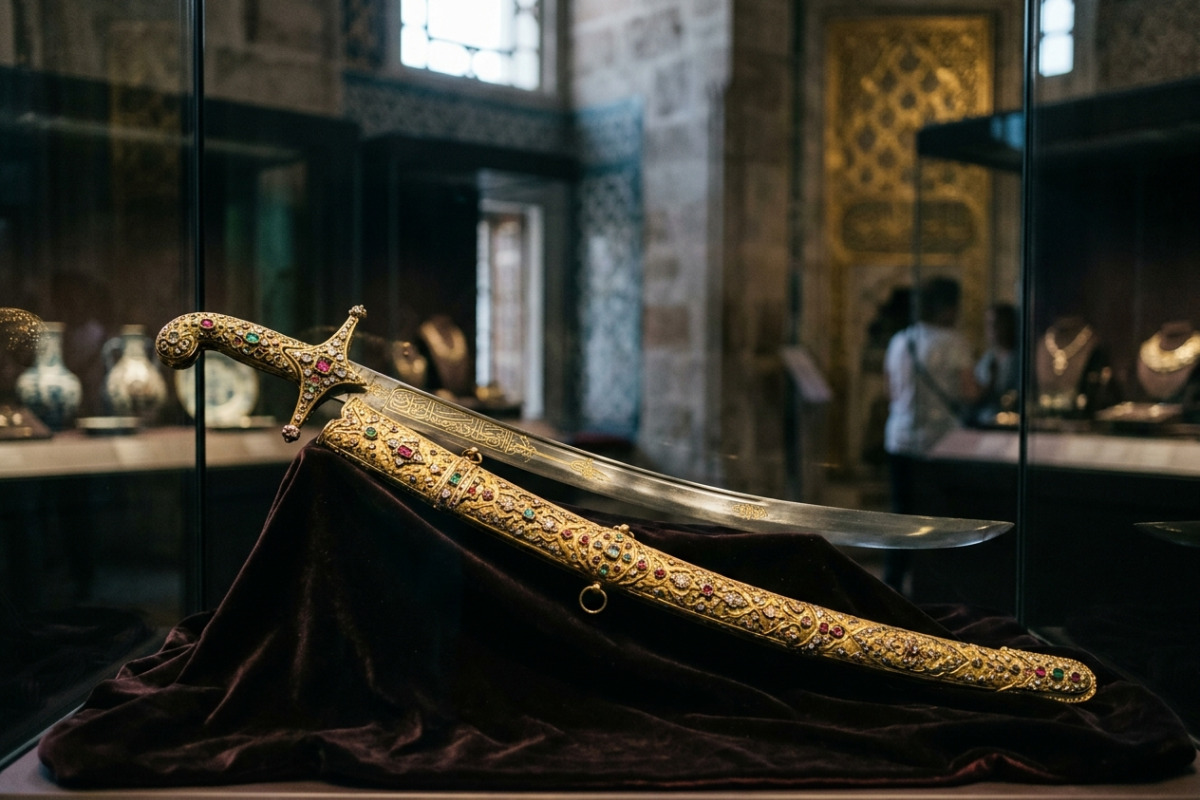
Moreover, the treasury of Topkapi is a remarkable showcase of the empire's wealth and artistry. Each piece, from the stunning jewels to the intricately designed ceremonial objects, tells a story of craftsmanship and cultural pride. For instance, the famous Topkapi Dagger is not just a weapon; it symbolizes the power and prestige of the Sultan. This duality of purpose is a recurring theme across the museum's collections, making each visit a deeper exploration of Ottoman identity.
The Role of Nature in Ottoman Aesthetics
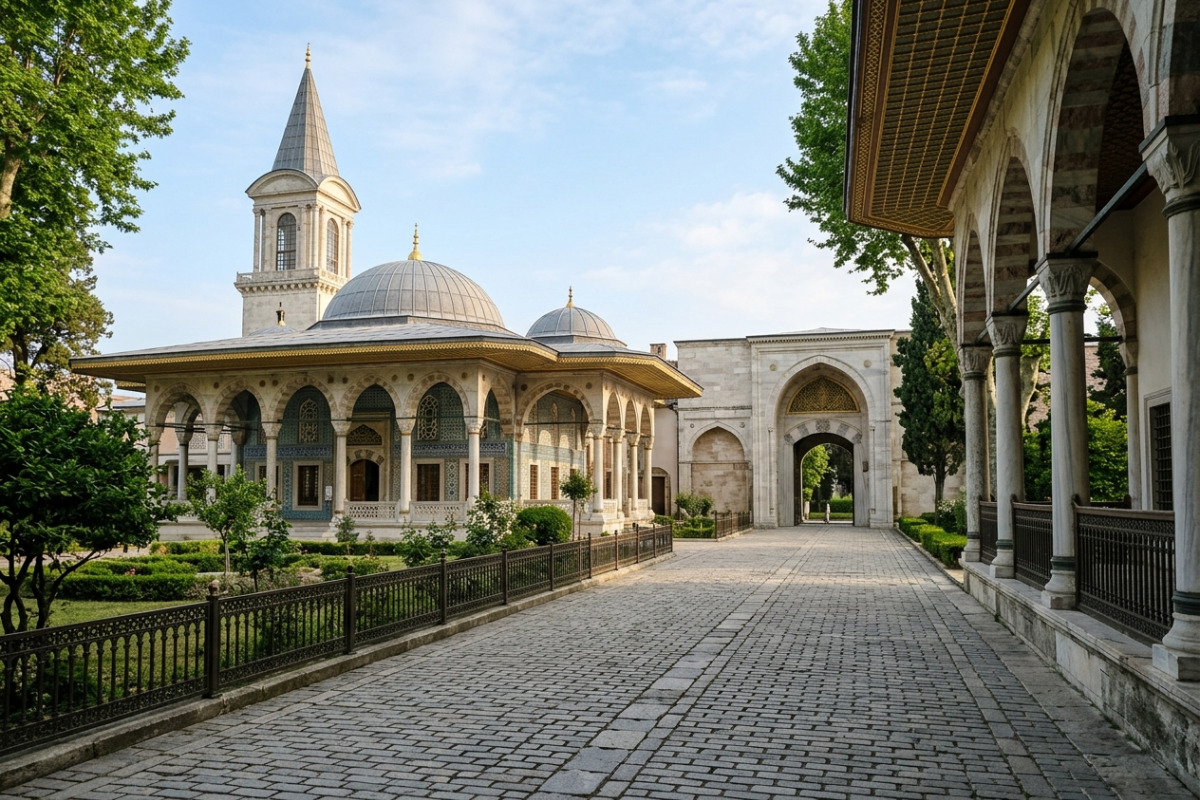
The gardens surrounding Topkapi Palace are more than just beautiful landscapes; they embody the Ottoman philosophy of harmony between nature and architecture. The design of the gardens was influenced by the Persian concept of paradise, which aimed to create an earthly reflection of heavenly beauty. The meticulous arrangement of flowers, trees, and water features serves not only to please the eye but also to provide a serene atmosphere for contemplation.
As you stroll through these gardens, think about how nature was integrated into the daily lives of the Ottomans. The gardens were not merely for leisure but also served as a space for social interaction, political discussions, and even artistic inspiration. This connection to nature underscores the Ottomans' understanding of beauty and its role in fostering a harmonious society.
Understanding the Harem: A Cultural Nexus
The Harem is often shrouded in mystery, but it is crucial to understanding the cultural dynamics of the Ottoman Empire. It served not only as a living space for the Sultan's family but also as a center of political influence and social interaction. Women in the Harem wielded significant power, often acting as advisors and negotiators in political matters.
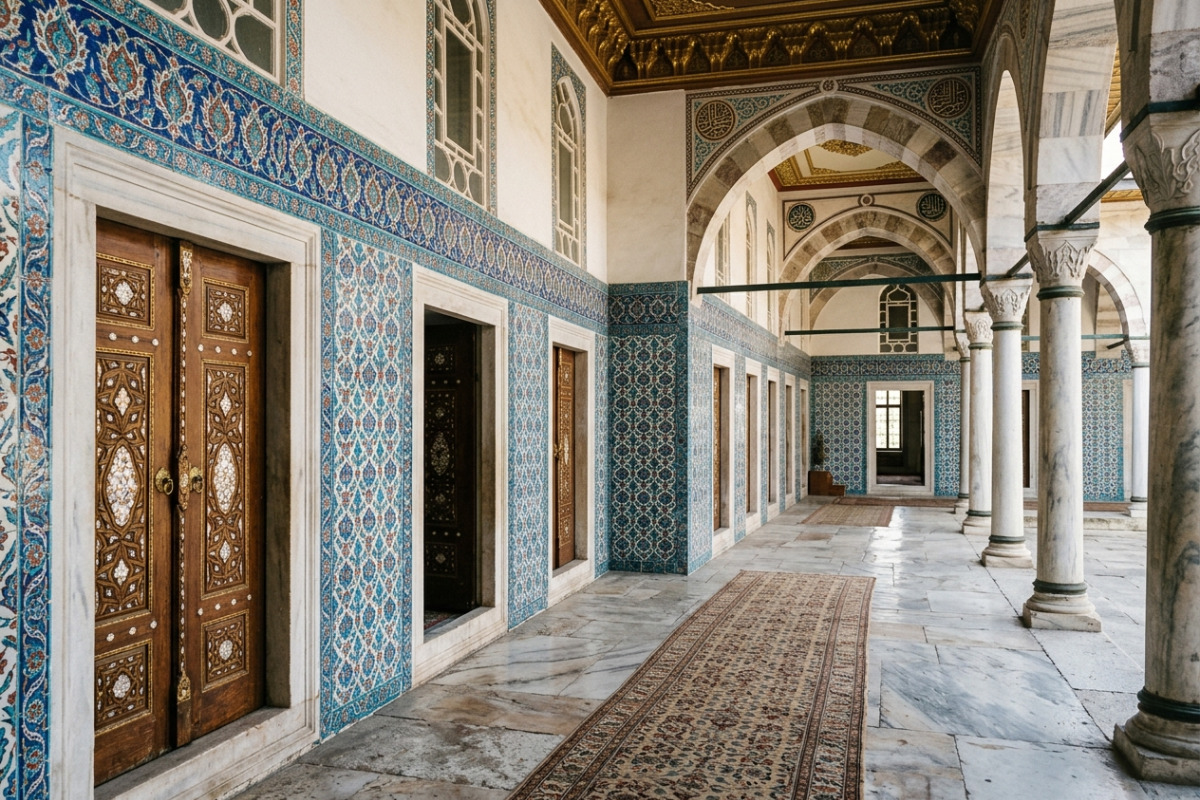
The architecture of the Harem itself reflects these complexities. Its rooms are designed for both intimacy and grandeur, allowing for personal interactions while also maintaining the opulence expected of royalty. This duality illustrates the nuanced roles women played within the empire, challenging the traditional narratives of passive existence.
Conclusion: A Call to Explore
The hidden layers of symbolism in Topkapi Museum offer a richer understanding of the Ottoman Empire's legacy. By recognizing the deeper meanings behind the architecture and artifacts, your visit transforms from a mere sightseeing experience to an insightful journey through history and culture. To explore these wonders for yourself, consider purchasing your tickets today and immerse yourself in the stories that shaped a civilization.