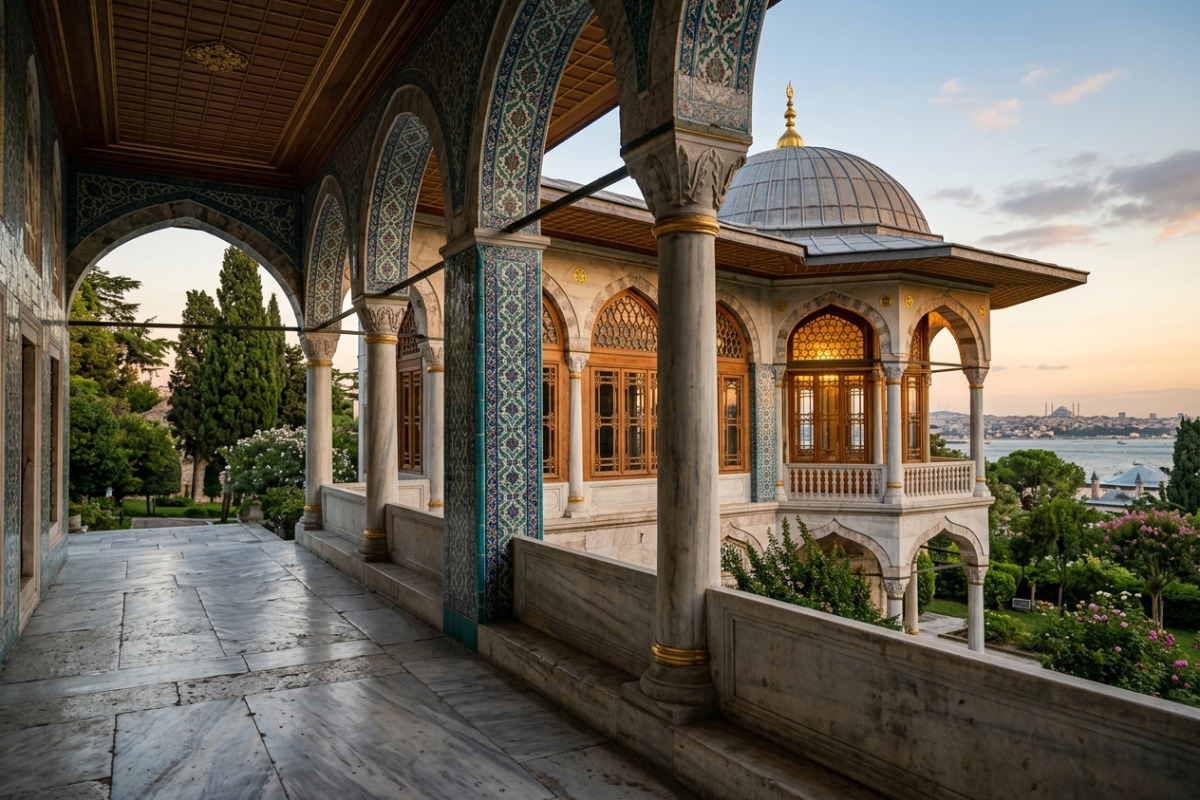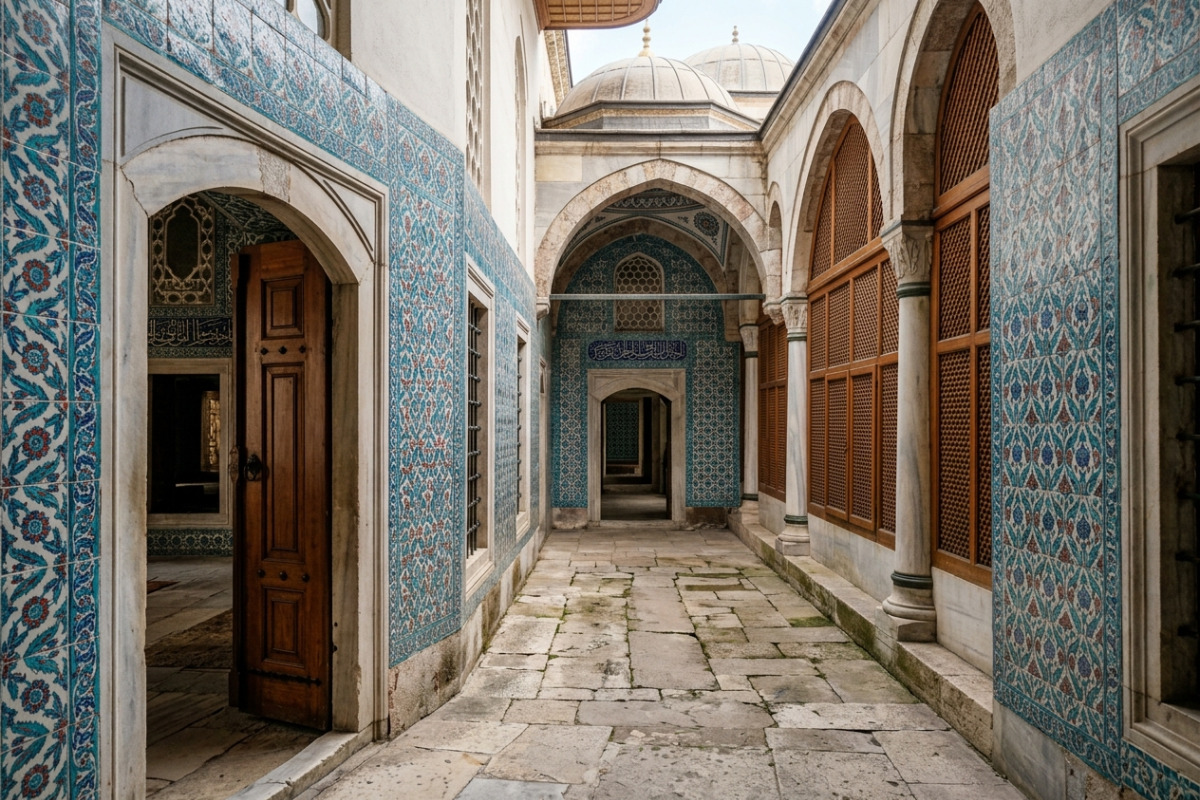
The Harem, often shrouded in mystery and romanticized in popular culture, was a complex institution within the Ottoman Empire. Far from the mere quarters of women, it served as a pivotal social structure that influenced political, cultural, and familial dynamics of its time. As you explore the Harem section of the Topkapi Museum, you'll uncover insights that challenge common perceptions and reveal the true essence of this remarkable space.
The Harem's Role in Ottoman Court Politics
Understanding the Harem's influence requires a deeper dive into its political significance. The Harem was not just a private space; it was an arena where power struggles unfolded. The women within the Harem, particularly the Sultan's consorts and mothers, wielded significant influence over political decisions. These women often acted as intermediaries between their sons and the Sultan, shaping the future of the empire from behind the scenes.
Moreover, the selection of a Sultan’s favorite could tip the scales of power, as her family connections and alliances could bolster or undermine the Sultan's reign. This intricate web of relationships illustrates how the Harem was entwined with the political machinations of the empire, challenging the notion of women's roles being solely domestic.
Cultural Contributions and Artistic Expressions
Beyond its political implications, the Harem was a vibrant center for cultural and artistic expression. Women in the Harem engaged in various forms of art, including music, poetry, and calligraphy, which flourished in this secluded environment. The nurturing of such talents not only enriched the Harem but also contributed to the broader cultural landscape of the Ottoman Empire.
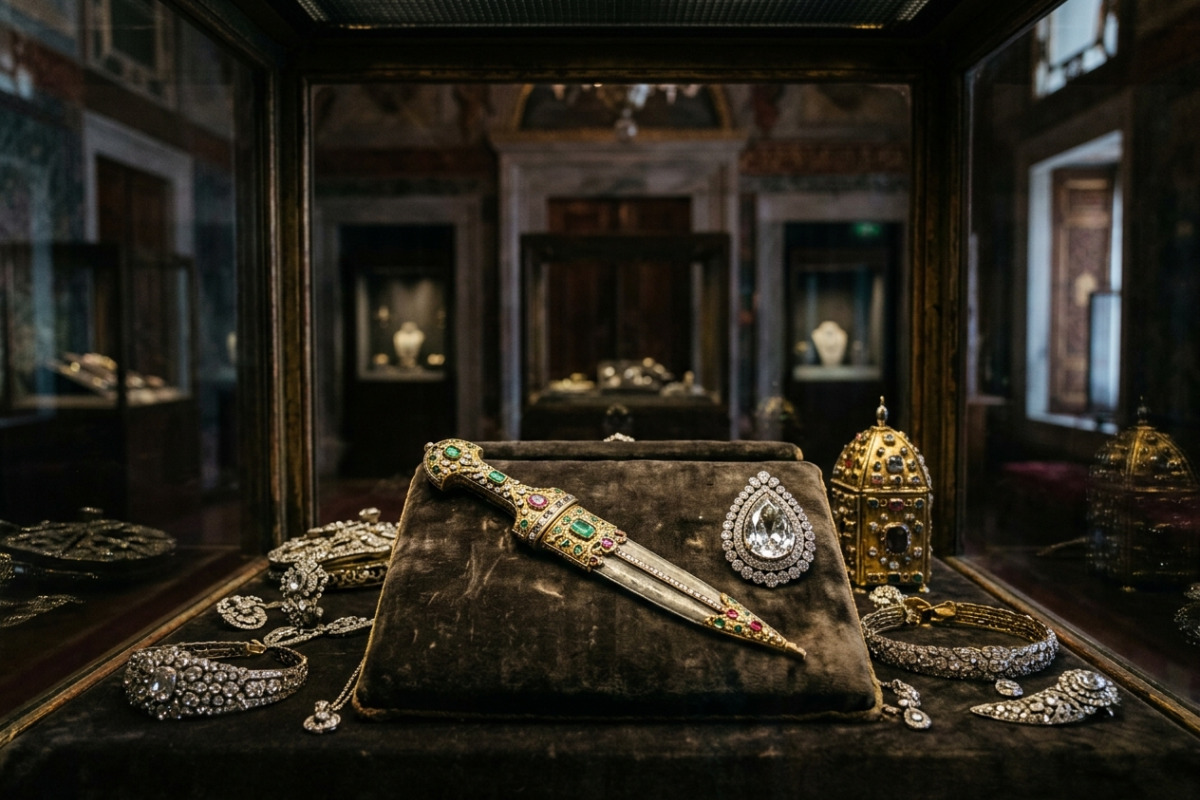
Visitors to the Topkapi Museum can appreciate artifacts that reflect the artistic legacy of Harem women. The intricate designs, textiles, and manuscripts are testaments to their creativity and skill, providing a glimpse into the aesthetic sensibilities of the time.
The Harem as a Social Microcosm
The Harem functioned as a unique social microcosm, bringing together women from diverse backgrounds and cultures. This diversity fostered a unique community where women shared stories, traditions, and knowledge, creating a rich tapestry of experiences. The Harem was a place of both competition and camaraderie, as women navigated their roles and relationships within this complex social structure.
This aspect of the Harem highlights the intersection of gender, culture, and power, inviting us to reconsider the narratives surrounding women in history. By understanding these dynamics, visitors can appreciate the Harem not just as a physical space, but as a vibrant community that played a crucial role in shaping Ottoman society.
Experiencing the Harem at Topkapi Museum
To truly grasp the significance of the Harem, visiting the Topkapi Museum's Harem section is essential. Here, you can witness firsthand the opulence and intricacies of this remarkable space. The museum provides detailed context through guided tours and informative displays, enriching your understanding of the Harem's role in Ottoman culture.
For a deeper exploration, consider planning your visit during quieter times to fully immerse yourself in the experience. Check out the Visitor Information page to find the best times to visit and make the most of your journey through history.
Conclusion
In summary, the Harem was much more than a secluded residence; it was a dynamic institution at the heart of the Ottoman Empire. By exploring its intricacies, we gain insight into the powerful women who shaped history and the rich cultural contributions that emerged from this unique space. Don't miss the chance to uncover these stories at the Topkapi Museum, where the past is brought to life.