When thinking of the Ottoman Empire, one often envisions grand palaces and majestic architecture. However, the culinary legacy of this empire is equally rich and intricate, offering a glimpse into the daily lives of sultans and their courts. At Topkapi Museum, visitors can delve into the flavors and culinary practices that defined an era, making the experience not just a feast for the eyes, but for the palate as well.
The Significance of Food in Ottoman Culture
Food in the Ottoman Empire was more than sustenance; it was an expression of culture, social status, and artistry. The kitchens of Topkapi Palace were bustling hubs of creativity, where chefs, known as 'aşçı,' transformed simple ingredients into exquisite dishes. The careful preparation of meals was a reflection of the palace's grandeur, showcasing the importance placed on hospitality and presentation.
Ottoman cuisine was a melting pot of influences, drawing from various cultures within its vast empire. From the spices of North Africa to the grains of Anatolia, each dish tells a story of cultural exchange. This blend not only satisfied the palate but also reinforced the social fabric of the empire, as meals were often a communal activity that brought people together.
Exploring the Culinary Exhibits at Topkapi Museum
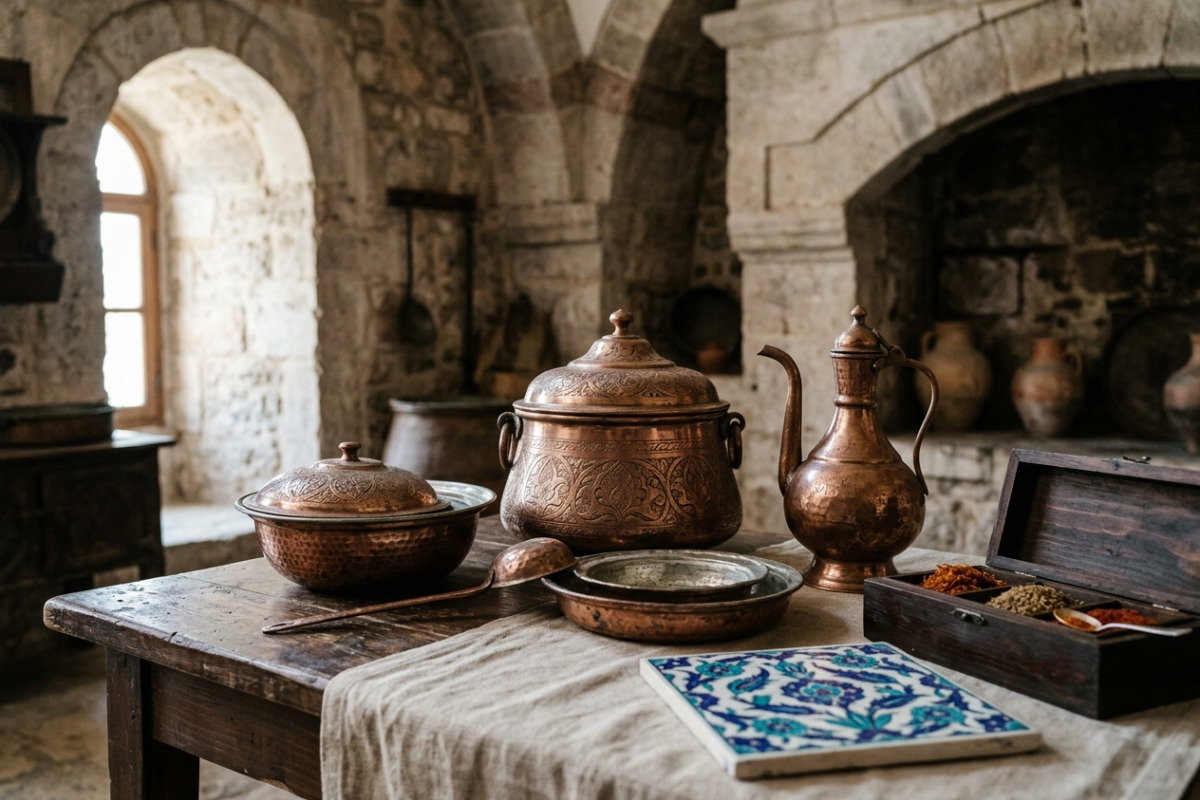
At Topkapi Museum, the culinary heritage of the Ottoman Empire is celebrated through various exhibits. One of the highlights is the display of traditional kitchenware, including large cooking pots, serving dishes, and intricate utensils that were used by palace chefs. These artifacts not only showcase the aesthetic values of the time but also provide insights into the cooking techniques employed in the royal kitchens.
Moreover, the museum features visual displays that highlight the ingredients commonly used in Ottoman cooking. Spices such as saffron, sumac, and cumin were essential in creating the rich flavors that define this cuisine. Visitors can learn about the significance of each ingredient and how they were sourced, often through trade routes that spanned continents.
Participating in Culinary Workshops
For those eager to experience Ottoman cuisine firsthand, Topkapi Museum occasionally hosts culinary workshops where visitors can learn to prepare traditional dishes. These hands-on experiences allow participants to connect with the culinary history on a deeper level, understanding the techniques and cultural significance behind each recipe.
During these workshops, you might find yourself rolling out dough for 'börek' or perfecting the art of making 'pilaf.' It’s a unique opportunity to take a piece of Ottoman history home with you, expanding your culinary repertoire while enjoying the flavors that once delighted sultans.
The Role of Culinary Traditions in Modern Times
The culinary traditions of the Ottoman Empire continue to influence modern Turkish cuisine, creating a bridge between past and present. Many recipes have been passed down through generations, evolving yet retaining their historical roots. At Topkapi Museum, you can witness this evolution through the exhibits and workshops, gaining a deeper appreciation for how these traditions shape contemporary culinary practices.
Understanding the culinary heritage of the Ottoman Empire is essential for anyone interested in the culture and history of the region. By visiting Topkapi Museum, you embark on a journey that not only enriches your knowledge but also tantalizes your taste buds.
Conclusion
Topkapi Museum offers a unique window into the culinary world of the Ottoman Empire, showcasing the importance of food in cultural expression and daily life. Whether you are exploring the exhibits or participating in workshops, there is much to learn about this rich heritage. Don’t miss the chance to experience it for yourself; book your tickets today and immerse yourself in the flavors of history.