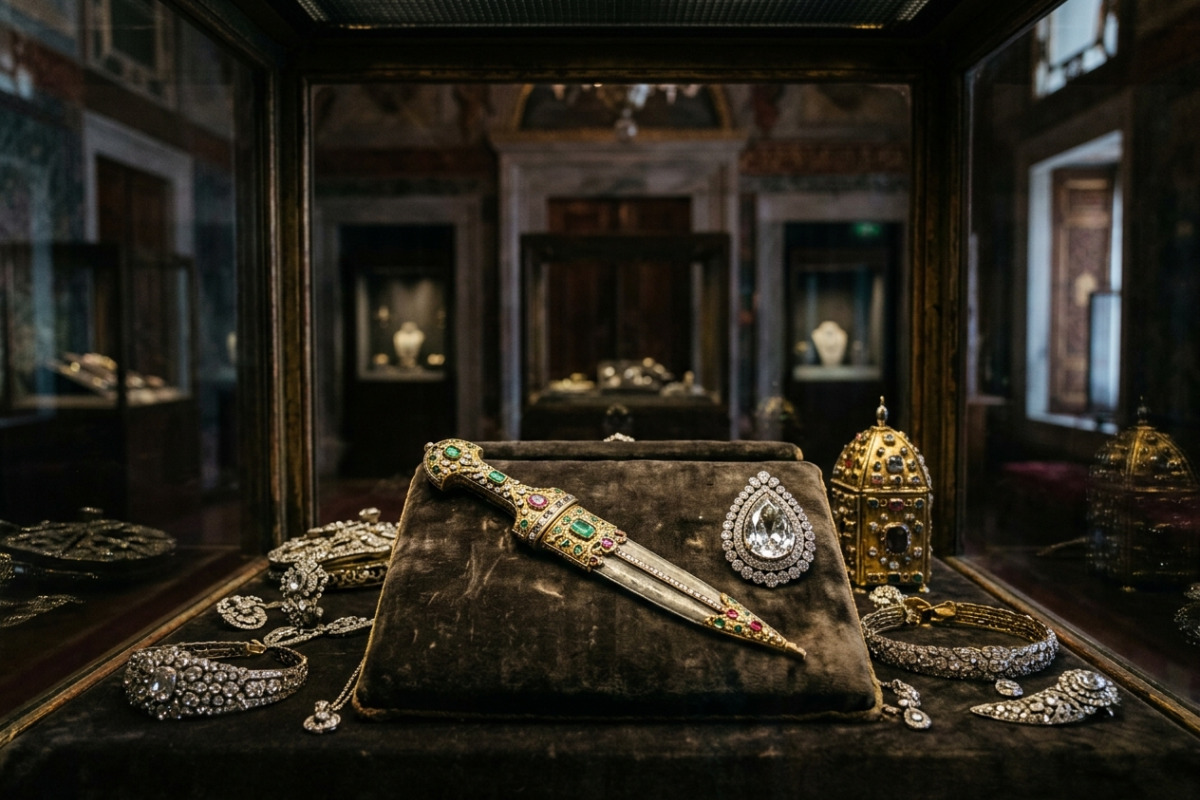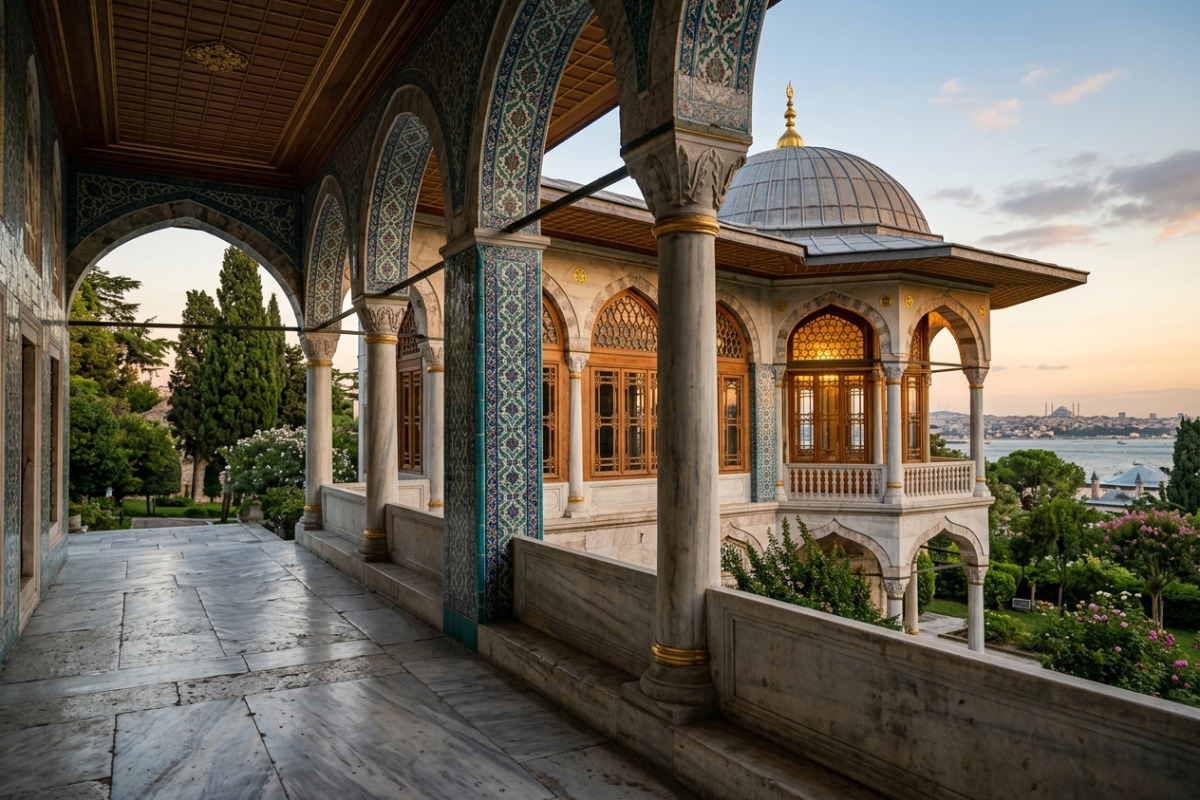
The architectural landscape of Topkapi Museum is not just a feast for the eyes; it is a narrative that encapsulates centuries of history, culture, and artistic evolution. As you step into this magnificent museum, you are immediately transported back to the heart of the Ottoman Empire, where every structure tells a story of power, artistry, and intricate craftsmanship. Understanding the architectural significance of Topkapi isn't just about admiring its beauty; it's about grasping the essence of a bygone era that shaped modern Istanbul.
The Design Philosophy Behind Topkapi Museum
At its core, the design of Topkapi Museum reflects the principles of Islamic architecture, which emphasizes symmetry, intricate detailing, and harmonious proportions. The museum's layout is a testament to the Ottoman approach to space, where open courtyards and serene gardens play a crucial role in creating a tranquil environment. Each section of the museum, from the grand entrance to the various pavilions, is meticulously planned to enhance the visitor's experience, inviting them to explore and appreciate the rich cultural heritage housed within its walls.
The museum's architecture also symbolizes the power dynamics of the empire. The placement of the Harem, for instance, is designed to be both secluded and central, highlighting the importance of the royal family while maintaining their privacy. This careful consideration of space reflects not only the aesthetic preferences of the time but also the social hierarchies that governed Ottoman life.
Key Architectural Features of Topkapi Museum
One cannot discuss the architecture of Topkapi Museum without mentioning its stunning tiles and intricate calligraphy that adorn the walls. These elements are not merely decorative; they are integral to the storytelling aspect of the museum. The vibrant Iznik tiles, for example, showcase floral patterns and geometric designs that are characteristic of Ottoman artistry. As you explore the museum, take a moment to appreciate how these artistic choices enhance the overall architectural experience.
The use of courtyards is another defining feature of Topkapi's architecture. These open spaces serve as a breath of fresh air amid the grandeur of the buildings, allowing visitors to pause and reflect. The First Courtyard, which serves as the main entrance, is particularly notable for its vastness and the historical significance of the structures surrounding it. From here, you can access various sections of the museum, each with its unique architectural style and purpose.
Exploring the Gardens and Outdoor Spaces
The gardens of Topkapi Museum are an essential extension of its architectural beauty. Designed to be both functional and aesthetically pleasing, these spaces offer a glimpse into the Ottoman approach to nature and design. The lush landscaping, complete with fountains and seating areas, reflects the empire's appreciation for tranquility and beauty. Visitors can enjoy leisurely strolls through these gardens, providing a contrast to the museum's grand indoor spaces.
Moreover, the gardens serve as a reminder of the historical significance of the palace complex, where members of the royal family would often gather for relaxation and socialization. The careful planning of these outdoor spaces exemplifies the integration of nature within architectural design, showcasing a harmonious relationship that is still appreciated today.
Visiting the Topkapi Museum: A Practical Guide
If you're planning a visit to Topkapi Museum, understanding its architectural significance can greatly enhance your experience. Make sure to allocate enough time to explore both the indoor exhibits and the outdoor spaces. Consider visiting during off-peak hours to enjoy a more serene atmosphere, allowing you to fully appreciate the intricate details of the architecture.
For tickets and the latest visitor information, check out the Tickets page. This preparation will ensure that you have a fulfilling experience as you wander through the corridors of this historical masterpiece.
Conclusion: Embracing the Legacy of Topkapi's Architecture
The architectural marvels of Topkapi Museum are not merely structures; they are a testament to the artistic and cultural achievements of the Ottoman Empire. Each corner, tile, and garden speaks volumes about a time when architecture was not just about function but also about expression and identity. As you plan your visit, remember that you are stepping into a living museum, where the past is always present, and the stories of those who walked these halls continue to inspire.
For more insights into your visit, don't forget to check the Visitor Information page.